 ★
📍 Okene
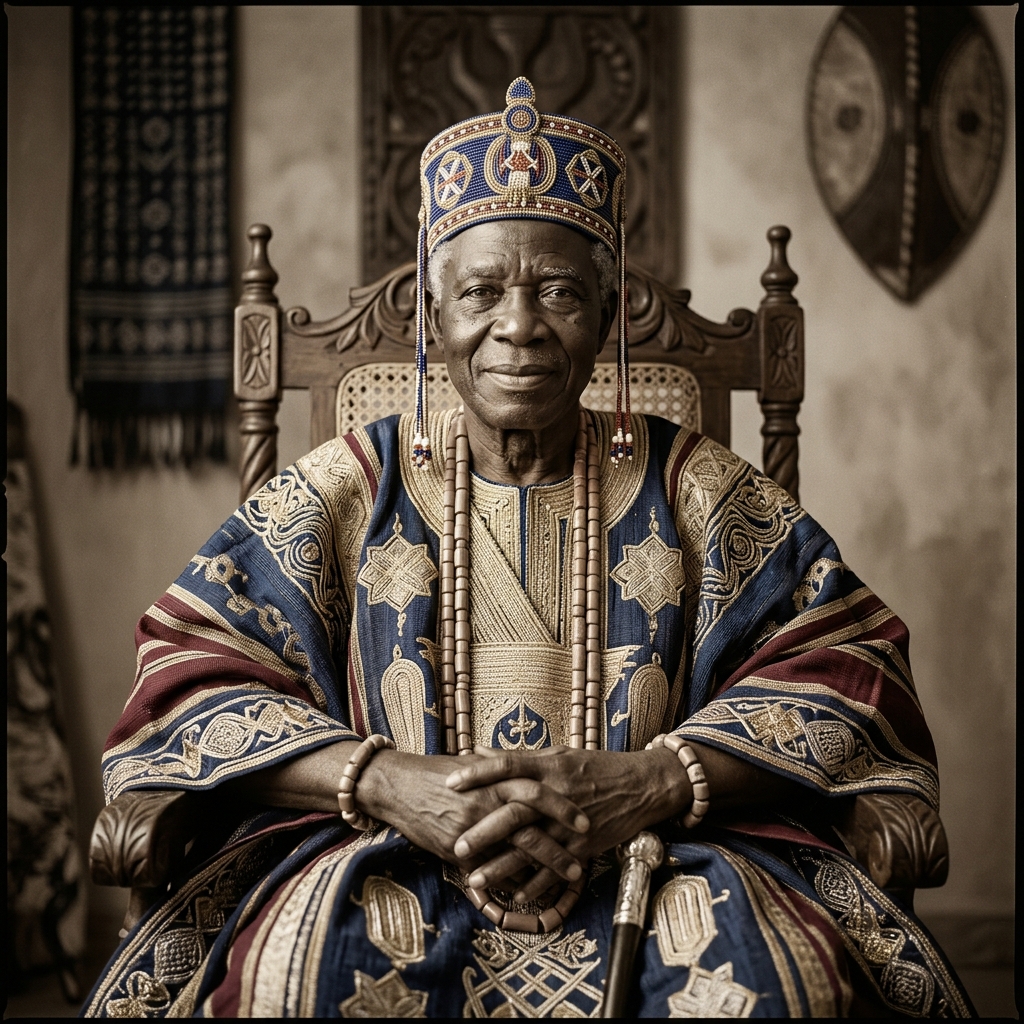
Diyo Ozi Niger earned several honorifics among his devoted followers, including Aruche, Akaagu, and the “Ray-power of Kogi”—a nod to his voice carrying far and wide like a broadcasting network.His musical identity was defined by key attributes:Uncompromising Social Commentary: Much like Afrobeat pioneer Fela Anikulapo Kuti, Diyo refused to shy away from difficult realities. He sang truth to power, tackled local sociopolitical issues, and reflected everyday communal struggles. While this candidness made him beloved by everyday listeners, it often unsettled authority figures and political actors who found themselves in his lyrical crosshairs.The Musical Historian: Beyond entertainment, Diyo served as an archivist of Ebira history. In extended recordings that often ran up to an hour or more (such as his famous recordings from 1993, the mid-2000s, and Ehureyi), his songs narrated lineages, historical disputes, and major turning points across the five Ebira-speaking local councils (Okene, Adavi, Okehi, Ajaokuta, and Ogori-Magongo).Rhythmic Mastery: Anchored in traditional Ebira drumming rhythms, intricate call-and-response patterns, and proverbs, his sound managed to bridge older folklore forms with contemporary street commentary.Major Works and Cultural InfluenceDuring the 1990s and 2000s, cassette tapes and live performance recordings of Diyo Ozi Niger circulated widely throughout Kogi State and across Nigerian cities with sizable Ebira communities.Milestone / EraSignificance1993 Album SeriesChronicled societal events during the reign of the second Ohinoyi of Ebiraland, late Alhaji Sani Omolori.Mid-2000s Live RecordingsExtensive recordings captured at festivals, community gatherings, and cultural ceremonies (Anyiengwu, Ehureyi).Modern Digital ArchivesDigitized collections uploaded to platforms like Audiomack, YouTube, and streaming services by cultural archivist channels to preserve his catalogue for younger generations.Tragic Passing and Enduring LegacyDiyo Ozi Niger’s life was cut short when he died in May 2012, an event that sent shockwaves across Ebiraland and the Kogi entertainment community. His sudden demise is still commemorated annually across Ebira community forums and cultural archives.Despite his absence, his musical DNA remains unmistakable. Modern Ebira performers—including artists like Yunique Oziori—frequently cite his fearless lyrical stance, cadence, and social engagement as foundational influences. For historians and enthusiasts of Nigerian indigenous music, Diyo Ozi Niger remains an essential voice: a chronicler who turned traditional folk melodies into an arena of historical record and civic conscience.
🎵 1 song
·
👥 1 followers
View Songs & Discography →
 ★
King Dan Ozizi (often referred to as General Dan Ozizi) is one of the most prominent contemporary musicians from Ebiraland, Kogi State. Bridging classical Ebira oral folklore with modern highlife and Afro-fusion, he is widely regarded as a musical icon whose songs have shaped Ebira popular music since the early 2000s.Musical Style and ArtistryUnlike traditional night-singing masquerades (Eku'rahu) or liturgical gospel/Islamic singers, Dan Ozizi established his mark in modern secular and cultural highlife. His style blends traditional Ebira percussion, conversational storytelling, and melodic guitar lines with contemporary arrangements.His vocal delivery is rhythmic and reflective, characterized by a knack for translating everyday life lessons, family values, and human grief into catchy, enduring anthems.The Masterpiece: "Ometere"Dan Ozizi's defining legacy rests heavily on his classic song "Ometere", originally recorded in 2000. It is widely celebrated across Kogi State as one of the most famous and enduring Ebira songs of all time:The Misconception: Due to the soft, lyrical nature of the title, many casual listeners initially mistook Ometere for a romantic ballad.The True Meaning: The song is actually a solemn, heartfelt eulogy dedicated to his late father.Lyrical Core: The record revolves around filial loss, mourning, and immortalizing the wisdom passed down by his father—epitomized by the recurring sentiment "Abo emru dagena" ("That is what my father used to say"). It explores how the guidance of a parent becomes a compass once they depart the physical world.Notable Songs and RepertoireBeyond Ometere, Dan Ozizi has built an extensive catalog addressing themes of hard work, perseverance, social harmony, and destiny:"Ayimbara" (Anyimi Bara): A widely played track celebrating kinship, brotherhood, and communal unity."Omoza Mewuani": A reflective social commentary on human nature and the complexities of dealing with people."Grace" (feat. Je Na): A motivational Afro-fusion single centered on resilience, gratitude, and divine blessing.Other Popular Tracks: "Zumo Ze", "Opandede", "Ozoza Baba", and "Unquestionable".Cultural Impact in EbiralandDan Ozizi serves as a crucial bridge between generations in the Ebira entertainment scene. He demonstrated that songs sung entirely in the Ebira language could achieve modern studio production quality and cross-generational popularity.His work continues to influence younger Ebira musicians transitioning between indigenous roots and mainstream Afrobeats, earning him widespread cultural recognition throughout Kogi Central and the wider diaspora.
🎵 1 song
·
👥 1 followers
View Songs & Discography →
 ★
📍 Okene
Alhaji Sambai Ayuba is a renowned and legendary Ebira artist and traditional-Islamic musician hailing from Ebiraland in Kogi State, Nigeria. Rather than visual arts, his artistry is rooted in the rich oral, musical, and spiritual traditions of the Ebira people.Musical Career and StyleGenre and Evolution: Sambai Ayuba is widely celebrated for his profound Islamic and moral-instructional music. Over a career spanning decades (gaining prominence from the late 1990s onward), he transitioned from traditional styles like Kokoma into more modern arrangements, maintaining a deeply respected status as a musical legend within the community.Themes: His compositions heavily focus on spirituality, human conscience, societal history, Islamic teachings, and philosophical reflections on life and mortality. Popular tracks and works associated with him include "Ohomorihi," "Annabi Muhammadu," "Fa'rifuni," and "Bismillahi".Cultural Impact: Alongside contemporaries in the Ebira music scene, Ayuba's lyrical storytelling serves as an archive of cultural values, promoting virtues such as humility, community care, and faith. His works are frequently distributed and archived through platforms like Calabash Film Production and regional media networks to preserve Ebira heritage.
🎵 1 song
·
👥 0 followers
View Songs & Discography →
 ★
Evangelist Emmanuel Rufus Adinoyi (popularly known as Emma Rufus or affectionately addressed as Adayi Emma Rufus) is a pioneering and revered gospel musician, evangelist, and peace advocate from Ebiraland, Kogi State.While artists like Sambai Ayuba anchor Ebira Islamic moral music and figures like Sementy and Irenuohi dominate the ancestral masquerade (Eku’rahu) tradition, Emma Rufus represents the vanguard of indigenous Ebira Christian gospel music.Musical Style and MinistryIndigenous Gospel Fusion: Emma Rufus bridges classical Ebira poetic meters, proverbs, and rhythmic patterns with Christian theology. Rather than simply translating Western hymns, his compositions utilize deep, classical Ebira Tao dialect to convey spiritual truth, gratitude, and moral counsel.Vocal Delivery: His songs are known for their contemplative, passionate delivery, often structured around melodic call-and-response choruses, brass-and-percussion praise arrangements, and extended didactic ballads.Key Themes and Notable WorksThe Prophetic Call for Peace (Ete Ebira Vezoza): During the late 2000s—when Ebiraland experienced widespread political instability and communal unrest—Emma Rufus released the landmark project Ete Ebira Vezoza ("Ebiraland Will Be Good / Peaceful"). The song served as a widely referenced prayer and prophetic anthem across the land, calling for an end to bloodshed, youth manipulation, and clan rivalry.Family, Children, and Relationships: Beyond sermons, his catalog explores everyday human struggles. Songs like "Ozoza Oma" (celebrating children and the fruit of the womb) and "Onee Ozoza" (examining virtue, patience, and character in marriage) are staples across households and ceremonies.Praise and Spiritual Refuge: Tracks such as "Aveviyaje", "Osiyi Varireha", "Eehi", and "Adayi Kayi-Ohioni" explore divine deliverance, divine sovereignty, and gratitude to God during adversity.Cultural Impact in EbiralandBecause his lyrics heavily emphasize unity, familial harmony, and the collective welfare of Ebiraland, Emma Rufus’s music crossed religious lines. He is respected by both Christian and Muslim listeners throughout Okene, Okehi, Adavi, and Ajaokuta, earning him fatherly titles like Adayi and widespread recognition as an elder statesman of Ebira musical heritage.
🎵 1 song
·
👥 1 followers
View Songs & Discography →
 ★
Sementy (often stylized as Sementi or Cementy) is one of the most prominent and legendary singing masquerades (Eku’rahu) in the history of Ebiraland, Kogi State. Celebrated alongside iconic figures like Achewuru, Obaji, and Irenuohi, Sementy is revered for poetic agility, sharp social criticism, and formidable command of the midnight lyrical duels that define the annual Ekuechi festival.The Name and PersonaThe moniker Sementy originates as a localized adaptation of the word "Cement". In the symbolic language of Ebira oral poetry, the name serves as a metaphor for being unyielding, rock-solid, and impossible to break or overthrow during performance battles. It signifies an ancestral orator who cannot be intimidated or outmatched by rival masquerades.Performance Tradition and StyleThe Midnight Arena: Like other major Eku’rahu, Sementy performs exclusively at night during the Ekuechi season. The performance is an endurance feat: singing, chanting, and engaging the crowd from late evening until the early hours of dawn.Vocal Texture and Technique: Sementy uses the signature raspy, guttural vocal resonance believed to bridge the mortal world with the ancestral realm (Ede). His delivery shifts effortlessly between rhythmic recitative (spoken-word poetry) and melodic refrains.The Ensemble (Anuva and Drummers): A master Eku’rahu is only as strong as his backing chorus (Anuva) and rhythm section. Sementy’s performances are distinguished by tightly synchronized call-and-response refrains and intricate polyrhythms produced by traditional leather drums and iron clappers (agogo).Lyrical Repertoire and ThemesSementy’s music functions as both oral literature and community journalism:Mastery of Oya (Poetic Rivalry): Sementy earned immense fame through the Ebira tradition of lyrical combat. In these artistic clashes, singing masquerades trade complex metaphors, riddles, and satirical barbs to test each other’s wit, lineage knowledge, and composure. Sementy’s reputation was built on delivering swift, devastating retorts.Genealogical Archive (Ori): To sing praise for a community member, an Eku’rahu must trace their lineage back several generations without error. Sementy is celebrated for an encyclopedic memory of Ebira family lines, clan migrations, and historical events across communities like Okene, Adavi, Okehi, and Ihima.Societal Critique and Moral Admonition: Shielded by ancestral immunity, Sementy frequently calls out community vices—including greed, political violence, betrayal among kin, and hypocrisy among local elites—urging adherence to traditional Ebira ethics (Irenu).Existential Philosophy: His ballads frequently contemplate the inevitability of death, the fleeting nature of wealth and power, and the ultimate judgment of the Supreme Being (Ohomorihi).Legacy and Cultural ImpactSementy’s works have transcended live festival performances. During the cassette and CD era from the late 1980s through the 2000s, his festival recordings were widely duplicated and distributed, helping popularize Ebira oral poetry well beyond Kogi State. Today, his recordings are widely archived digitally, serving as a primary linguistic and historical reference for scholars, youths, and Ebira diaspora communities studying classical Ebira dialect and oral literature.
🎵 0 songs
·
👥 0 followers
View Songs & Discography →
 ★
📍 Okene
Irenuohi is one of the celebrated singing masquerades—known culturally as an Eku’rahu (or Eku Arahu)—in Ebiraland, Kogi State.Unlike festive daytime masquerades that dance, chase, or display acrobatic feats, an Eku’rahu is an ancestral oral poet, philosopher, and social critic whose primary art form is nocturnal vocal performance. Within Ebira tradition, Irenuohi stands as an influential institution of oral literature and musical storytelling, especially during the annual Ekuechi festival.The Tradition of Eku’rahuIn Ebira cosmology, masquerades (Eku) are regarded as the physical embodiments of ancestors returning from the spiritual realm (Ede). The Eku’rahu serves as the voice of these ancestors:The Performance Setting: Performances traditionally take place overnight during the Ekuechi festival. The masquerade sits or stands surrounded by an inner circle of custodians, backup vocalists (Anuva), and master percussionists, performing before an audience that listens until dawn.Vocal Style: Irenuohi delivers lyrics in a measured, resonant vocal style suited for long narrative ballads, combining traditional proverbs, metaphorical allusions, and melodic refrains.Musical Style and Lyrical ThemesThe repertoire of Irenuohi encompasses several core pillars of traditional Ebira music:Social Commentary and Accountability: Because Eku are revered as ancestral spirits, singing masquerades possess traditional immunity to speak truth to power. Irenuohi’s verses critique societal vices, challenge corrupt community leaders, arbitrate moral disputes, and highlight injustice within the community.Genealogy and Clan History: A central mark of a master Eku’rahu is deep historical memory. Irenuohi recounts family lineages, praise poetry (Ori), and historical events, preserving the lineage histories of various Ebira clans across Okene, Okehi, Adavi, and Ajaokuta.Philosophical Reflections: True to its name ("The Reputation of the Ruler"), Irenuohi often explores the themes of honor, leadership, human mortality, jealousy, and the inevitable judgment of Ohomorihi (God Almighty).Percussion and Instrumentation: The music relies heavily on traditional rhythmic instrumentation, including indigenous membranophones (traditional leather drums), metal gongs (agogo), and synchronized call-and-response choruses that drive the tempo as the night progresses.Cultural Significance in EbiralandPreservation of the Ebira Language: The songs of Irenuohi serve as a linguistic archive. They preserve archaic proverbs, idioms, and classical dialectical phrases that are rarely heard in everyday contemporary spoken Ebira.Archiving and Media Distribution: Originally experienced exclusively live during festival nights, performances by Irenuohi and contemporary Eku’rahu acts have long been recorded and distributed on cassette tapes, CDs, and now digital formats, making the music accessible to Ebira diaspora communities worldwide.Lyrical Duels (Oya): A key element of the Ekuechi tradition involves artistic rivalry between prominent singing masquerades. Master vocalists test one another’s wit, command of history, and poetic agility, elevating the musical standards of the entire community.
🎵 0 songs
·
👥 0 followers
View Songs & Discography →
 ★
📍 Okehi
Salawu Ofelele (also credited as Ofelele Salawu) was a prominent traditional Ebira musician and Ikede performer from Eika in Kogi State, Nigeria, whose recorded catalog spans from the mid-1980s until his death in a road accident along the Okene–Lokoja–Abuja highway in 2000.Like many traditional Ebira oral poets and cultural singers of that era, his discography is preserved and cataloged primarily by recording year and volume (originally distributed on audio cassettes and live performance videos, and later digitized on platforms like YouTube and Audiomack) rather than conventional commercial album titles.Notable Collaborations & Video ReleasesFather Christmas (Part 2) – A collaborative cultural musical/drama release featuring Salawu Ofelele alongside Omo Ojo.Annual Cultural Displays (VHS/VCD Archives) – Beyond audio cassettes, several of his live stage and festival outings (notably from 1996 and 2000) were filmed and remain staples in Ebira cultural video archives.Archival NoteBecause traditional Ebira musicians in the 1980s and 1990s released music through local cassette marketers in Okene and Lokoja without standardized ISBN/catalog registries, individual volumes typically run between 60 and 90 minutes. Each volume functions as a continuous medleys-and-proverbs session rather than separated short tracks. If you are looking to listen to or index specific recordings, digital compilations on Audiomack (such as the Salawu Ofelele 31-part archive by Ohiku Studio) and YouTube cultural channels (EBIRA HOME LOADED, Ebira Online TV, and Jahfaru) hold the most complete digitized copies.
🎵 0 songs
·
👥 0 followers
View Songs & Discography →