
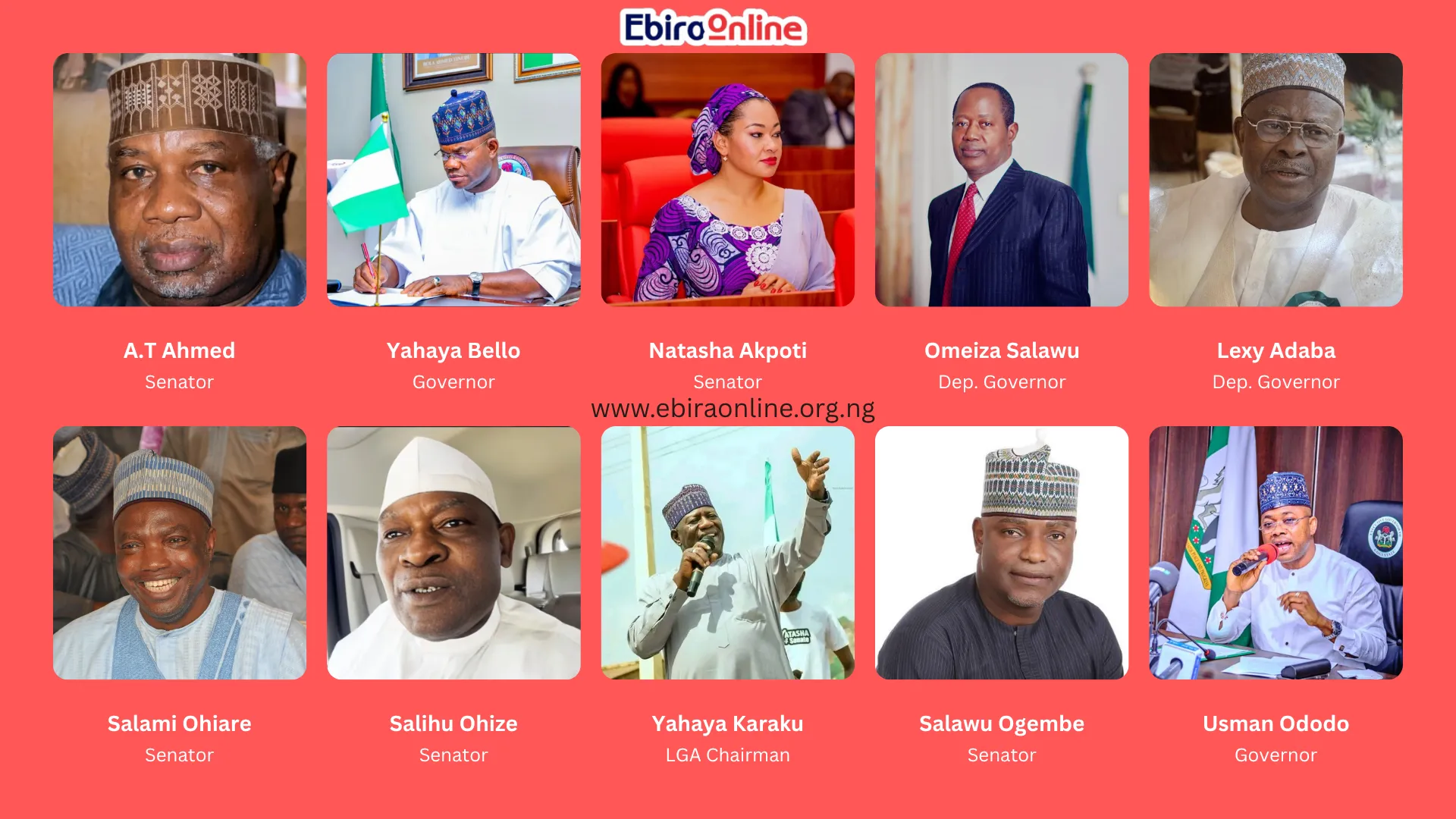
Before Facebook, WhatsApp, Instagram and TikTok became part of everyday life, political information in Ebiraland travelled through a different communication network.
It was called Akaaka.
Akaaka, loosely translated as rumours, hearsay or the familiar expression "them say, them say", was one of the ways political information, controversies, campaign messages and political predictions travelled from one community to another.
You could be at an Ikede musical concert in Okene, visiting a friend in Adavi, attending a family gathering in Okehi or travelling through Ajaokuta, and suddenly hear that a particular politician was planning to contest for an important position.
Sometimes the information was true. Sometimes it was exaggerated. And sometimes, by the time the story reached another village, the original version had changed completely.
But one thing was certain: some politicians were household names even before the internet made political publicity easier.
Over the last three decades, Ebiraland has produced influential politicians who have occupied important positions in Nigerian politics, from senators and deputy governors to a state governor.
Some became popular because of their political achievements, others because of their wealth, political influence, controversial decisions, political struggles or the circumstances surrounding their careers.
As Nigeria approaches another general election in 2027, Ebira Online Media takes a look at ten politicians whose names have remained prominent in the political history and conversations of Ebiraland.
1. Senator Ahmed Tijani Ahmed (A.T. Ahmed)
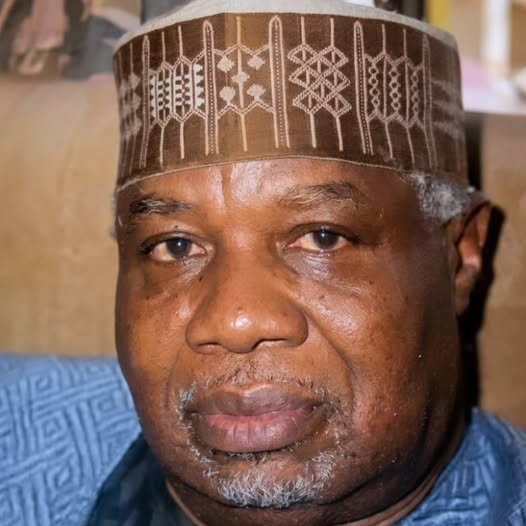
Known for: Political influence, the Kogi Central Senate seat and the Ebira Agenda.
If there is one political figure whose name remains deeply embedded in the political history of modern Ebiraland, Senator Ahmed Tijani Ahmed, popularly known as A.T. Ahmed, deserves a prominent place on this list.
A.T. Ahmed was a two-time senator representing Kogi Central. He served during the Third Republic and returned to the Senate in 1999, where he represented the district until 2003.
Beyond his position as a senator, he was regarded as one of the most influential political figures in Kogi State at the time.
He was also associated with the movement for equity and power-sharing among the different ethnic groups in Kogi State following the state's creation in 1991.
His political influence extended beyond Kogi Central, and he was considered one of the strong political figures who could potentially lead the Ebira political project.
In 2003, he contested the PDP governorship primary against Ibrahim Idris and reportedly came second. He subsequently nominated Philip Salawu as the deputy governorship candidate on the winning ticket.
However, his political journey was cut short on June 10, 2006, when he died in a road accident.
His death was a significant moment in Ebiraland's political history, particularly at a time when discussions surrounding the possibility of an Ebira governor in Kogi State were becoming increasingly prominent.
To many older Ebira people, A.T. Ahmed was more than a senator. He was a political leader whose influence was felt across the state.
2. Alhaji Yahaya Adoza Bello (GYB)
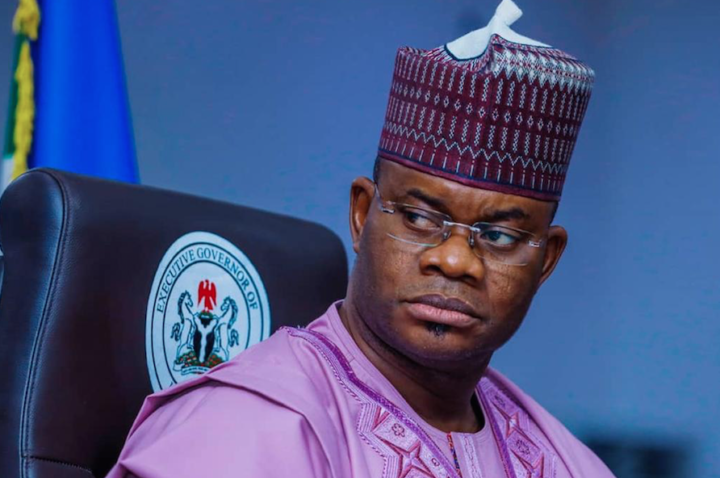
Known for: The first Ebira Governor of Kogi State, political power and the White Lion movement.
Perhaps no Ebira politician in recent history has generated as much political conversation, support, criticism and controversy as former Kogi State Governor, Alhaji Yahaya Adoza Bello.
Popularly known as GYB or the White Lion, Bello made history in January 2016 when he became the first Ebira man to serve as Governor of Kogi State.
His emergence was particularly significant because, since Kogi State was created in 1991, the governorship had previously been occupied by politicians from other ethnic groups in the state.
Bello served as governor from 2016 to 2024, completing two terms in office.
His political journey was also unusual. He emerged as the APC replacement candidate following the death of the party's original governorship candidate, Prince Abubakar Audu, during the 2015 election process.
His eight-year administration brought Ebiraland into the centre of Kogi State's political power structure.
His administration attracted attention for its political appointments, infrastructure projects, security policies, youth involvement in governance and political mobilisation.
However, his tenure also attracted significant criticism and controversies, including allegations concerning governance, political tensions and public finances.
Following his departure from office, Bello has remained an influential political figure, with his name continuing to feature prominently in conversations about the future of Kogi politics.
Love him or criticise him, it is difficult to discuss contemporary Ebira politics without mentioning Yahaya Bello.
3. Senator Natasha Hadiza Akpoti-Uduaghan
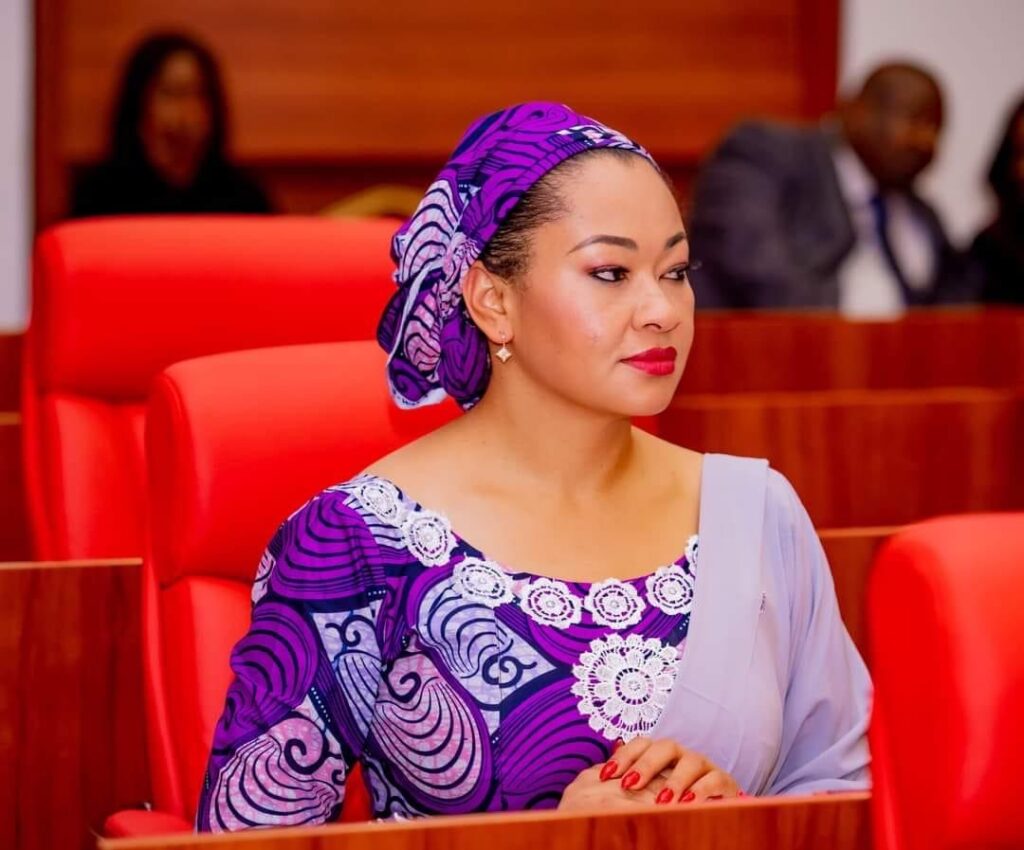
Known for: The first female senator from Kogi State, Ajaokuta Steel advocacy and her emergence in national politics.
One politician who has significantly changed the political conversation in Ebiraland is Senator Natasha Akpoti-Uduaghan.
A lawyer, entrepreneur and politician from Ihima in Okehi Local Government Area, Natasha became nationally recognised through her advocacy for the revitalisation of the Ajaokuta Steel Complex.
Her involvement in the Ajaokuta Steel project brought her into the national conversation long before she became a senator.
She contested the Kogi Central senatorial election in 2019 but lost to Yakubu Oseni.
However, she continued her political journey and eventually won the 2023 senatorial election under the Peoples Democratic Party (PDP), following a legal battle over the result.
Her victory made history as she became the first woman elected to represent Kogi State in the Nigerian Senate.
Since entering the National Assembly, Natasha has remained one of the most visible politicians from Ebiraland.
Her political career has attracted considerable attention, particularly regarding her public disagreements within the Senate, advocacy for women's participation in politics and political activities in Kogi Central.
Whether people support her politics or disagree with her approach, her emergence has changed the political dynamics of the district.
She represents a new generation of Ebira political leadership whose influence extends beyond the traditional political structures.
4. Chief Philip Ozovehe Omeiza Salawu
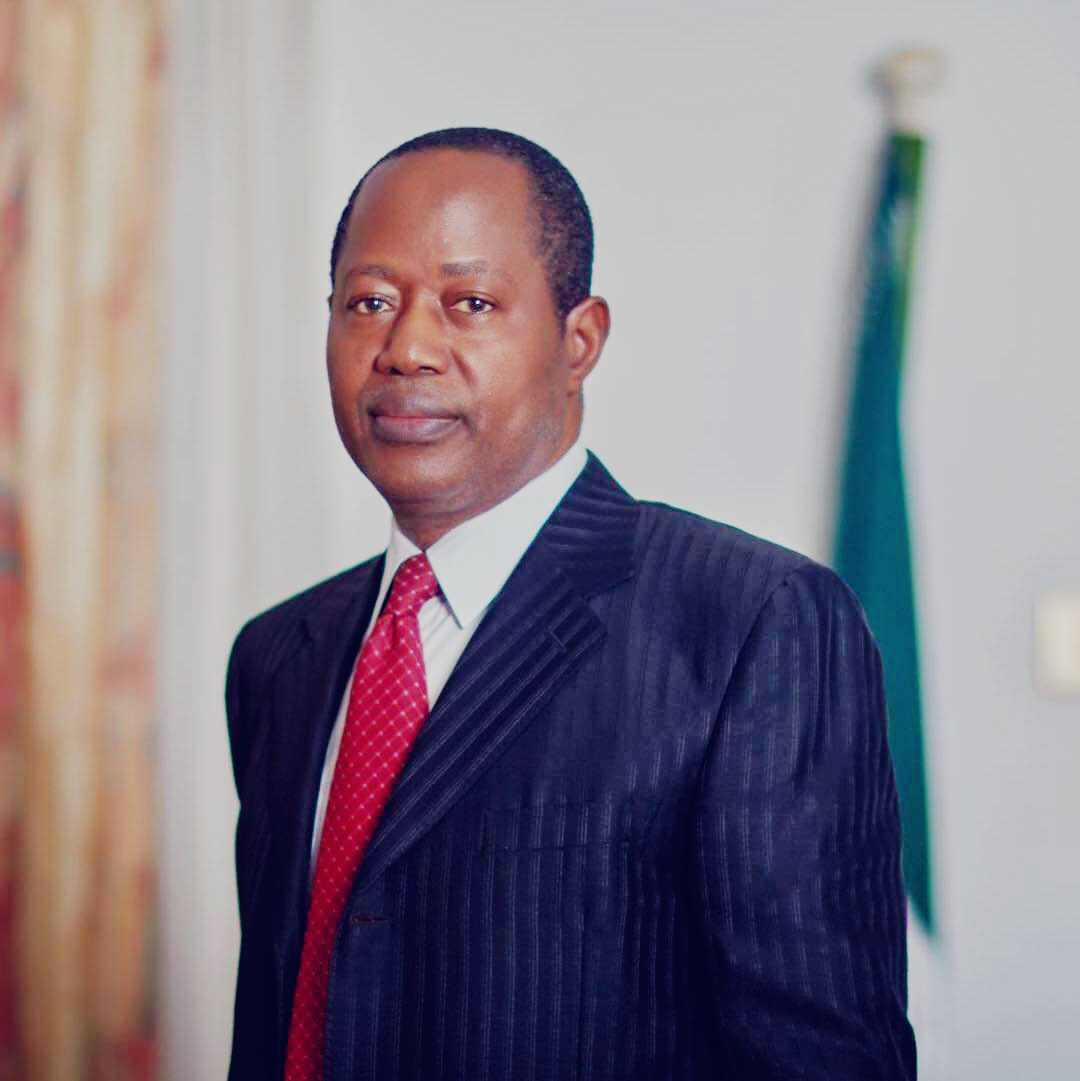
Known for: Serving as Deputy Governor of Kogi State for eight years.
When discussing Ebira politicians who have occupied important positions in Kogi State, Chief Philip Salawu deserves a place on this list.
An indigene of Okehi, Salawu served as Deputy Governor of Kogi State under Governor Ibrahim Idris from 2003 to 2012.
His tenure made him one of the longest-serving deputy governors in the state's history.
Interestingly, his political journey was closely connected to the late Senator A.T. Ahmed, who nominated him as the deputy governorship candidate during the 2003 PDP governorship contest.
He subsequently served alongside Ibrahim Idris throughout the administration's two terms.
Salawu became an important political figure during a period when the relationship between the political leadership of Kogi State and the Ebira political establishment was a major subject of discussion.
His position also meant that Ebiraland maintained a significant presence in the executive leadership of the state.
Although he was not the governor, his eight-year tenure as deputy governor made him one of the most recognisable Ebira political figures of that period.
5. Chief Patrick Lexy Adaba
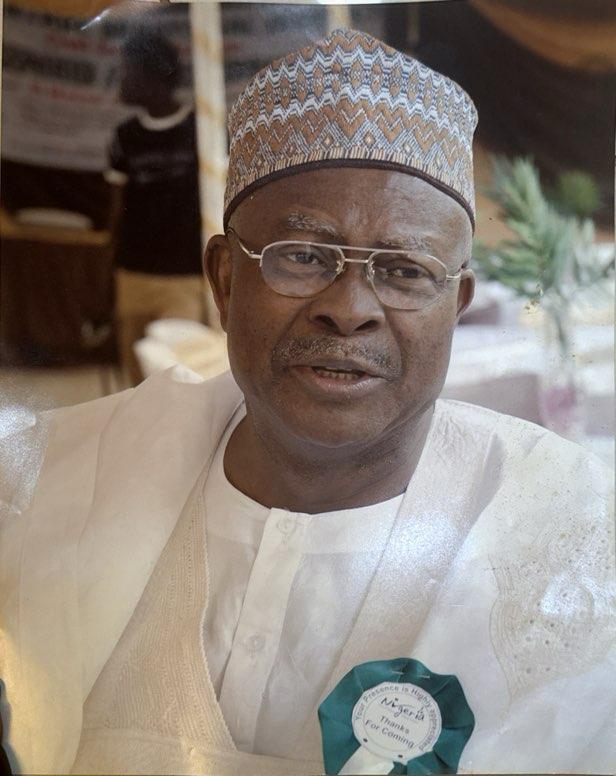
Known for: Being Deputy Governor during the formative years of Kogi State.
Before Philip Salawu, another Ebira man occupied the office of Deputy Governor of Kogi State.
He was Chief Patrick Lexy Adaba.
Adaba served as Deputy Governor under the late Prince Abubakar Audu between 1999 and 2003.
He was part of the political leadership that helped shape the early democratic administration of Kogi State following the return to civilian rule in 1999.
Before becoming deputy governor, he had also served as Secretary to the Kogi State Government.
His career placed him among the important political administrators during the early years of the Fourth Republic.
Unlike some politicians who became popular through confrontational politics, Adaba was remembered by many political associates as an experienced administrator and statesman.
He died in March 2025 at the age of 79.
His contribution to the early political development of Kogi State remains an important part of Ebiraland's political history.
6. Senator Mohammed Salami Ohiare
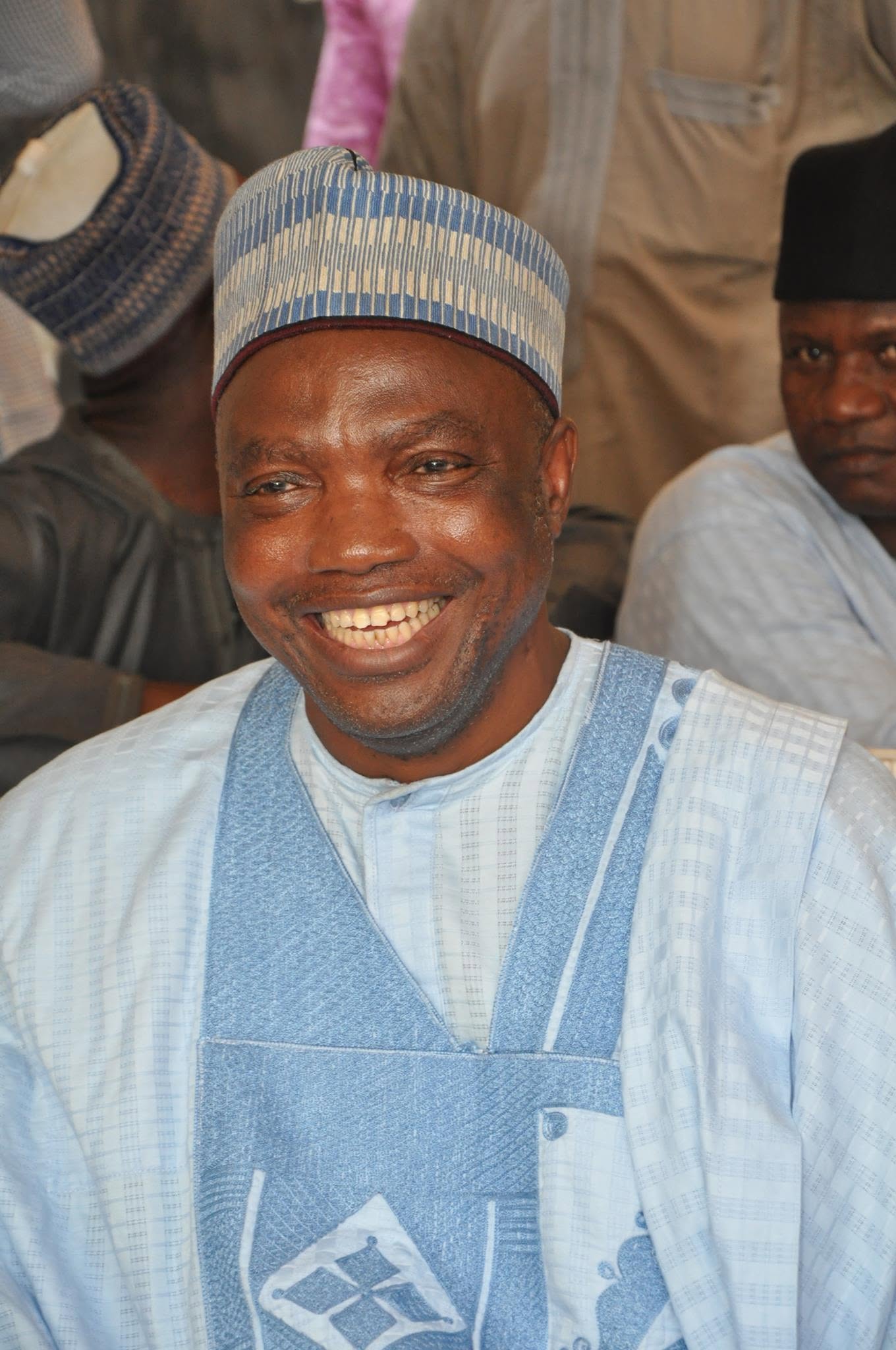
Known for: The Ebira Agenda and his 2007 Kogi governorship ambition.
Senator Mohammed Salami Ohiare is another major name in the political history of Ebiraland.
He represented Kogi Central in the Senate between 2003 and 2007 under the Peoples Democratic Party.
However, what made Ohiare particularly prominent in Ebira political history was his involvement in the political struggle for an Ebira governor in Kogi State.
In 2007, as his senatorial tenure was approaching its end, Ohiare emerged as one of the leading political figures associated with the Ebira Agenda.
He contested for the Kogi governorship under the Action Congress platform.
His ambition was connected to the growing demand among Ebira political stakeholders for an opportunity to produce the governor of Kogi State.
The 2007 election became a significant moment in the political history of Ebiraland, with political divisions emerging between supporters of the Ebira Agenda and those who supported other political arrangements.
Although Ohiare did not become governor, his governorship ambition remains an important chapter in the history of Ebira political mobilisation.
7. Senator Otaru Salihu Ohize
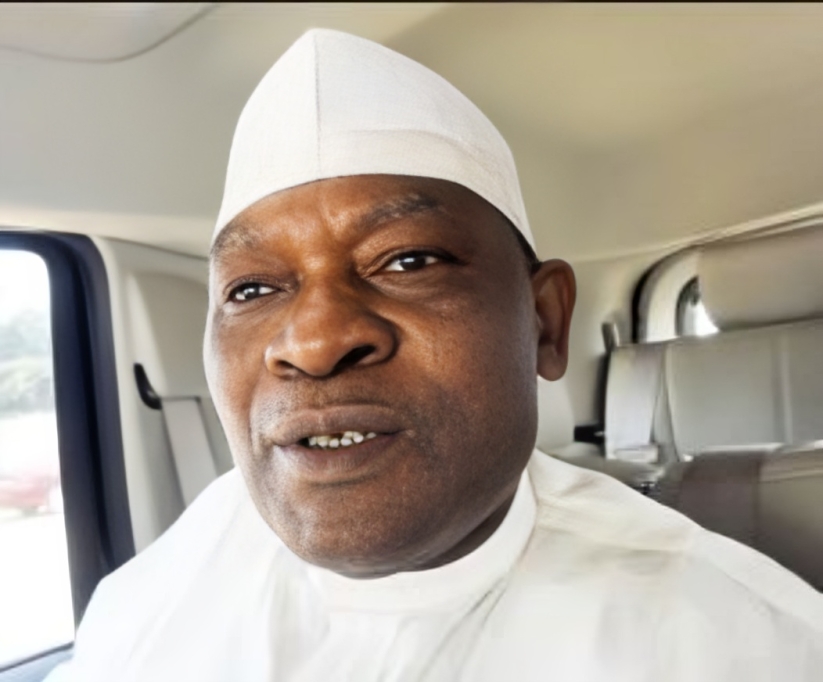
Known for: Two-term Okene Local Government chairman and Kogi Central senator.
Senator Otaru Salihu Ohize was another prominent Ebira political figure whose influence was particularly visible in Okene and the wider Kogi Central political environment.
Before entering the Senate, Ohize served as Chairman of Okene Local Government Area for two terms.
He later represented Kogi Central in the Senate from 2007 to 2011 under the Action Congress platform.
His emergence followed the political developments surrounding the 2007 elections, when the Ebira Agenda became a major issue in the district.
Ohize was also a former military officer who served in the Nigerian Army and Navy before fully venturing into partisan politics.
During his time in the Senate, he served on several committees, including Sports, Police Affairs, Interior Affairs, Information and Media, Housing, Commerce and Agriculture.
He died in Abuja on October 30, 2016, at the age of 63.
His name remains part of the political history of Okene and Kogi Central.
8. Alhaji Yahaya Karaku
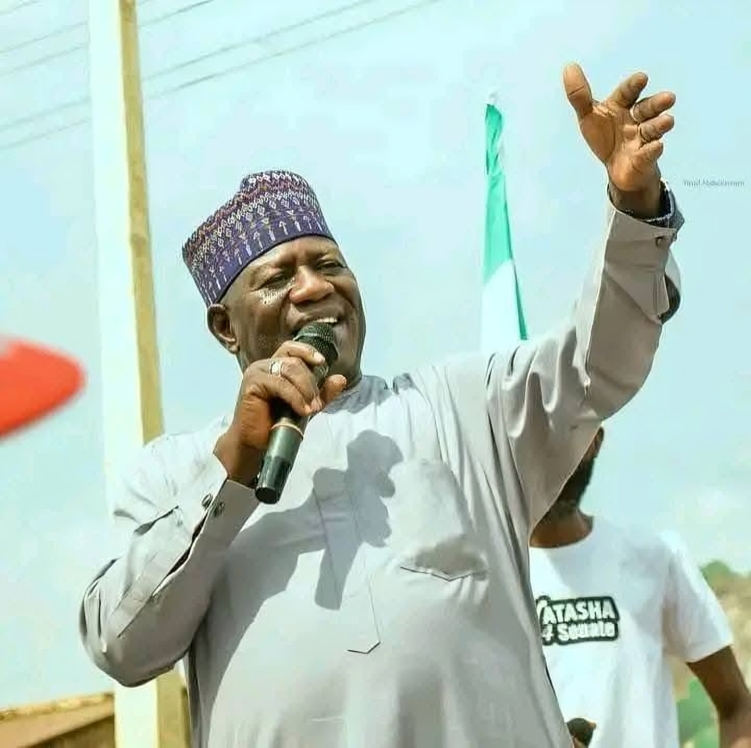
Known for: His political influence in Okene and involvement in efforts to address insecurity in Ebiraland.
If you lived in Ebiraland during some of the politically turbulent years, the name Yahaya Karaku would hardly be unfamiliar.
A former Chairman of Okene Local Government Area, Karaku was one of the notable grassroots political figures in the area.
His political influence was particularly associated with Okene politics and the period of insecurity and violent conflicts that affected parts of Ebiraland.
There have been different public narratives and allegations surrounding political violence during that period. However, it is important not to present unproven allegations against individuals as established facts.
Interestingly, academic research on conflict management in Ebiraland identifies Karaku as one of the local political figures involved in peacebuilding efforts.
The research discusses youth empowerment initiatives and a disarmament programme during his administration, including efforts that reportedly encouraged some youths to surrender weapons and abandon violence.
In January 2019, Karaku also publicly condemned the use of thugs and private armies to intimidate political opponents.
More recently, in April 2026, he rejected allegations linking him to the crises in Ebiraland, insisting that he met the situation when he became local government chairman.
His name remains part of discussions about the political history of Okene, particularly the turbulent years when political competition and community conflicts became major concerns.
9. Senator Ahmed Salawu Ogembe
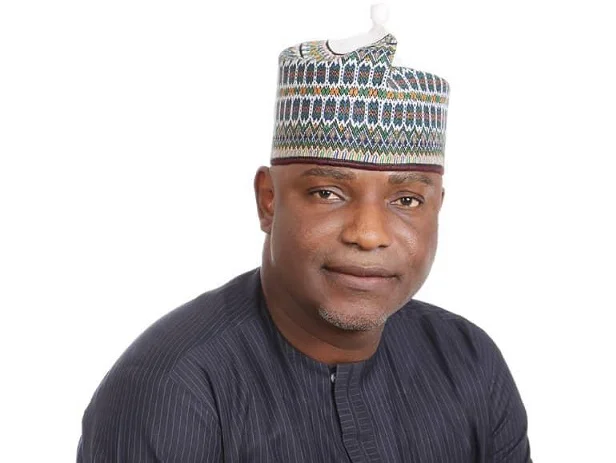
Known for: Representing Kogi Central in the Eighth National Assembly and grassroots political mobilisation.
Senator Ahmed Salawu Ogembe is another politician whose name remains familiar in the political history of Kogi Central.
He represented the district in the Nigerian Senate between 2015 and 2019 under the Peoples Democratic Party.
Before becoming a senator, Ogembe had served as Chairman of Okene Local Government Area.
His emergence in the Senate followed the 2015 general election and subsequent electoral proceedings that eventually established him as the winner.
During his tenure, he was associated with constituency interventions, including reported water and electricity projects across communities in Kogi Central.
His four-year tenure placed him among the politicians who shaped the district's representation in the National Assembly during the period immediately preceding the emergence of Yahaya Bello's second-term political structure.
Although he did not remain in the Senate after 2019, his name continues to feature in discussions about the political leadership of Kogi Central.
10. Alhaji Ahmed Usman Ododo
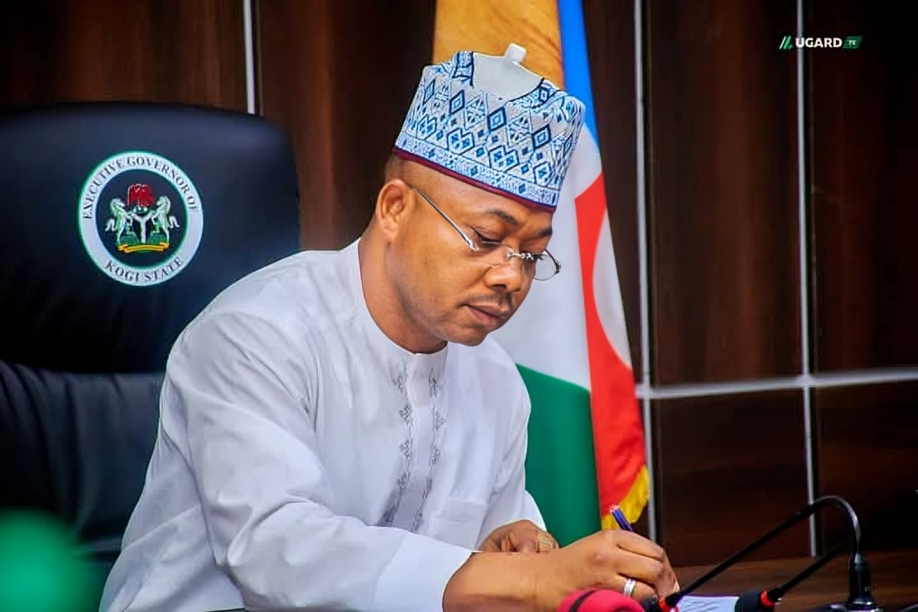
Known for: The current Governor of Kogi State, his political association with Yahaya Bello and his emergence as the second Ebira Governor of Kogi State.
Alhaji Ahmed Usman Ododo is the current Governor of Kogi State and one of the prominent political figures from Ebiraland.
An indigene of Upogoro in Okene Local Government Area, Ododo built his professional career around accounting, auditing and public financial administration before venturing into elective politics.
Before becoming governor, he served as the Auditor-General for Local Governments in Kogi State under the administration of former Governor Yahaya Bello.
His political profile grew significantly when he emerged as the All Progressives Congress (APC) governorship candidate ahead of the November 11, 2023 governorship election.
With the political support of his predecessor and the APC political structure, Ododo went on to win the election with 446,237 votes, defeating his closest challenger, Murtala Yakubu Ajaka of the Social Democratic Party (SDP).
He was sworn in as the fifth Executive Governor of Kogi State on January 27, 2024.
His emergence was another historic moment for Ebiraland, as he became the second Ebira man to govern Kogi State after Yahaya Adoza Bello.
Since assuming office, his administration has focused on infrastructure, agriculture, healthcare, education, security and other development priorities.
His political journey, particularly his transition from local government financial administration to the governorship, has made him an important figure in contemporary Ebira politics.
As the current governor, Ododo occupies a central position in conversations about the present and future of Kogi State politics.
Honourable Mention: Alhaji Adamu Atta – The Ebira Political Pioneer
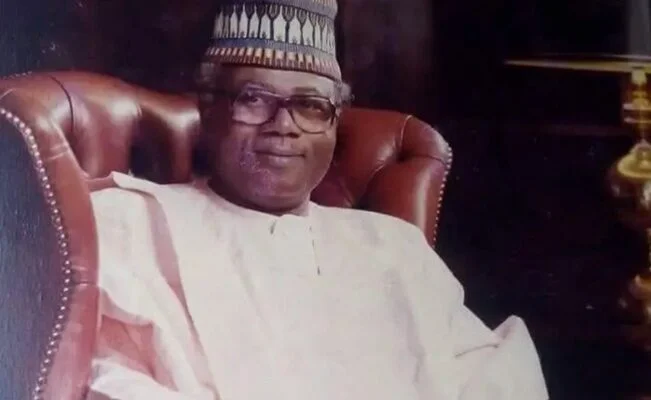
Although our focus is on the last three decades, it would be historically incomplete to discuss the political evolution of Ebiraland without mentioning Alhaji Adamu Atta.
Adamu Atta was the first democratically elected civilian governor of the old Kwara State, serving from 1979 to 1983.
At the time, the old Kwara State included the territory that later became Kogi State.
An indigene of Okene, Atta's emergence as governor was a historic achievement for the Ebira people.
His political career preceded the period covered by this article, but his achievement laid an important foundation for subsequent generations of Ebira politicians.
He remains one of the most historically significant political figures produced by Ebiraland.
The Era of Akaaka: When Political Information Travelled Without Social Media
One interesting aspect of Ebira political history is how information travelled before the internet.
Today, a politician can announce an ambition on Facebook, publish a campaign video on TikTok, organise a WhatsApp broadcast and reach thousands of people within minutes.
But things were different in the 1990s and early 2000s.
Political information travelled through marketplaces, motor parks, community gatherings, family meetings, traditional institutions, beer parlours and personal networks.
That was the era of Akaaka.
You could hear:
"Dem say A.T. Ahmed wants to contest."
"Dem say Ohiare is going for governor."
"Dem say Ohize has the backing of the people."
"Dem say somebody has been promised the ticket."
Sometimes the information was accurate. Sometimes it was political propaganda. Other times, it was simply speculation.
Yet these conversations helped shape public perception, political loyalties and the popularity of politicians.
Some politicians became popular without owning a radio station, operating a Facebook page or having access to modern campaign technology.
Their names travelled through people.
That is one fascinating part of our political history that deserves to be documented for future generations.
What Does the Future Hold for Ebira Politics?
As the 2027 general elections approach, a new generation of political actors is emerging alongside established political figures.
The political landscape has changed considerably.
The influence of social media, increasing youth participation, changing party loyalties and the growing demand for accountability have introduced new dynamics into political mobilisation.
The question is whether the next generation of Ebira politicians will build on the political foundations established by the likes of A.T. Ahmed, Adamu Atta, Patrick Adaba, Philip Salawu and others.
Or will Ebiraland witness an entirely new political direction?
One thing is certain: the political history of Ebiraland is too important to be forgotten.
Now, we want to hear from you.
Who do you think is the most popular Ebira politician of the last three decades?
Did we leave anyone out?
Do you think Yahaya Bello, A.T. Ahmed, Natasha Akpoti-Uduaghan or another political figure deserves the number one position?
And for those who remember the old days, who was the most talked-about politician during the era of Akaaka?
Share your thoughts in the comment section.
Let's document our history together.
Ebira Online Media – Your Community, Your Voice.

💬 Community Discussion 0
Representing Ebira voices across all LGAs & the DiasporaSign in with your Email or Phone Number — or create your cultural profile with your Ebira Name, LGA, and Hometown — to comment and react.
No comments yet. Be the first voice from the community to share your thoughts!