
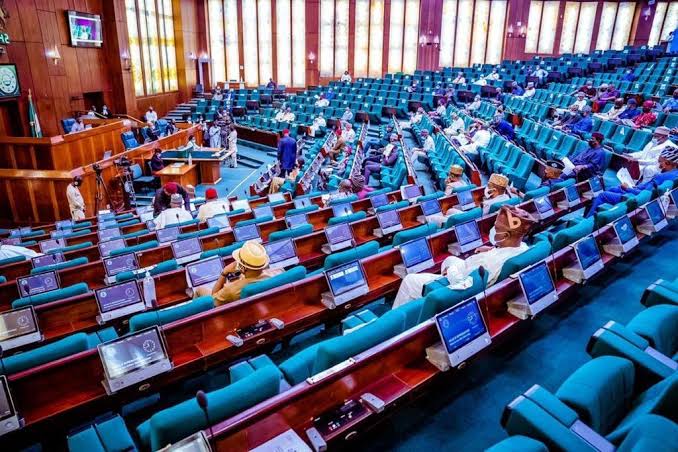
The House of Representatives has resolved to summon the heads of the National Agency for Food and Drug Administration and Control (NAFDAC), the Department of State Services (DSS) and the Nigeria Police Force over the growing circulation of fake drugs, unregistered herbal medicines and adulterated drinks across the country.
The lawmakers also called for tougher penalties against individuals and companies found guilty of manufacturing, distributing or selling counterfeit and harmful pharmaceutical products.
The resolution followed the adoption of a motion of urgent public importance moved on Wednesday by David Agada, the member representing Obi/Oju Federal Constituency of Benue State.
The motion was prompted by reports that four people had died after allegedly consuming a suspected poisonous herbal medicine distributed in communities within the constituency.
Titled "Urgent Need to Investigate the Alleged Distribution and Administration of Suspected Poisonous, Unregistered/Substandard Herbal Medicinal Products in Obi/Oju Federal Constituency, Benue State to Prevent Further Loss of Lives," the motion called for an immediate investigation into the incident and measures to prevent further casualties.
Four People Reportedly Die After Consuming Herbal Medicine
While presenting the motion, Agada reminded lawmakers of their constitutional responsibility to protect the lives, safety and welfare of Nigerians.
He also referred to existing legislation empowering NAFDAC to regulate the manufacture, distribution, sale and use of drugs, herbal medicinal products and other regulated health-related products in the country.
He cited the NAFDAC Act, the Food and Drugs Act and the Counterfeit and Fake Drugs and Unwholesome Processed Foods (Miscellaneous Provisions) Act, which prohibit the manufacture, distribution and sale of unsafe, adulterated, counterfeit and unwholesome products.
According to Agada, the incident occurred on October 31, 2026, when three individuals identified as Muhammad Sani Adamu, Musa Alhaji Kala, who reportedly claimed to be from Sokoto State, and Alhaji Muhammad Sule from Bauchi State allegedly introduced and distributed a herbal medicinal product in the Obi/Oju Federal Constituency.
The individuals reportedly marketed the product as a remedy for typhoid fever, waist pain and other ailments.
Agada explained that several residents purchased and consumed the product, but some reportedly developed severe symptoms within hours and were rushed to different hospitals for emergency medical treatment.
He disclosed that the incident had reportedly claimed four lives.
The deceased were identified as:
Awugo Joseph Oyije, who died on November 2, 2026.
James Ogah Onma, who died on November 4, 2026, after being referred for further medical treatment.
Ode Friday Ogah, who died on November 5, 2026.
Agi Edugbeke, who died on November 11, 2026.
The lawmaker further disclosed that 11 other residents were reportedly affected and were receiving medical attention. Two of the victims had been referred to hospitals in Makurdi, the Benue State capital.
The affected individuals were identified as Otumala Ochele, Binta Sule, Onu Oboh, Adoga Onu, Upa James, Igbo Pius, Ochele Genesis, Otumala Amos, Uwa Baku, Ate Vivian Okpune and Roman Ehile.
House Raises Concern Over Possible Further Casualties
Agada warned that the number of affected persons could increase because other residents might have consumed the suspected herbal product without being identified.
He also expressed concern that some victims could be receiving treatment outside recognised medical facilities, making it difficult for authorities to establish the full extent of the incident.
The lawmaker noted that several critical details about the product remained unverified, including its composition, source, manufacturing conditions, NAFDAC registration status, safety, recommended dosage and possible adverse effects.
He described the incident as a serious public health concern requiring immediate intervention by relevant federal and state authorities.
According to him, an investigation was necessary to establish the circumstances surrounding the reported deaths, prevent further exposure to the suspected product and ensure that anyone found culpable was brought to justice.
House Leader Calls for Tougher Punishment, Including Life Imprisonment
Contributing to the debate, the House Leader, Professor Julius Ihonvbere, described the proliferation of fake drugs and adulterated drinks as a growing national challenge that required a comprehensive response beyond NAFDAC's existing capacity.
He expressed concern over the agency's limited workforce, stating that its approximately 2,000 employees were insufficient to effectively monitor and regulate the country's extensive drug distribution network.
Ihonvbere argued that NAFDAC needed at least 10,000 employees to effectively discharge its responsibilities across Nigeria.
He said the agency lacked adequate personnel and nationwide coverage to monitor every community, market and distribution point where counterfeit and unwholesome products might be sold.
According to him, the situation had become increasingly alarming, with more Nigerians at risk of losing their lives if urgent measures were not taken.
He urged the House to recommend significantly tougher punishments for manufacturers and distributors of fake drugs and contaminated products.
Ihonvbere specifically suggested life imprisonment or even the death penalty for individuals involved in the criminal enterprise, subject to appropriate legal provisions and due process.
He also called for the Director-General of NAFDAC to appear before the relevant committees and explain the measures being implemented to address the problem.
Lawmakers Demand Nationwide Action Against Fake Drugs
Another lawmaker, Ali Shettima, representing Yobe State under the All Progressives Congress (APC), urged the House to look beyond the reported deaths in Benue and address the nationwide consequences of fake and substandard drugs.
He called on NAFDAC to intensify its monitoring and regulation of herbal medicine producers, stressing that selling counterfeit products to unsuspecting Nigerians under the guise of medicine was unacceptable.
Shettima also advocated stronger legislation to ensure that individuals found guilty of manufacturing or distributing fake drugs faced appropriate punishment.
He maintained that the problem required a nationwide response rather than being treated as an isolated incident affecting one constituency.
Lawmaker Proposes Sanctions Against Market Leaders
Peter Uzoekwe, representing Anambra State under the NDC, proposed holding market leadership accountable for the manufacture and distribution of counterfeit drugs within their markets.
He suggested that executives of markets where fake drugs were manufactured or sold should face removal from their positions.
According to Uzoekwe, imposing such responsibility on market leaders would encourage them to monitor commercial activities within their jurisdictions and cooperate with relevant authorities to identify and stop the sale of counterfeit products.
He argued that market executives could serve as an additional enforcement structure by helping to identify individuals involved in the illegal trade.
Lawmaker Calls for Investigation Into Deaths Linked to Sexual Enhancement Drugs
Also contributing to the debate, Ismaila Haruna, who represents Toro Federal Constituency of Bauchi State, called for a broader investigation into deaths allegedly associated with the use of sexual performance-enhancing drugs.
Haruna noted that Nigeria already had laws regulating herbal medicines and related products, arguing that the major challenge was the enforcement of existing regulations.
He questioned whether NAFDAC was adequately carrying out its responsibilities and urged authorities to investigate reports of men dying in hotels and other locations after allegedly using sexual enhancement products.
He stressed the need to examine the safety and regulation of such products as part of the wider fight against unregistered and potentially harmful medicines.
Lawmaker Warns Against Banning Herbal Medicine Without Providing Alternatives
However, Fatima Talba, another lawmaker from Yobe State, urged her colleagues to consider the circumstances that drive many Nigerians to patronise unregulated herbal medicine sellers.
She argued that some consumers relied on such products because they lacked access to affordable and reliable healthcare alternatives.
Talba noted that it would be difficult to discourage people from patronising unregulated herbal medicine sellers without addressing the challenges they faced in accessing proper medical care.
She also expressed concern about the circulation of fake medicines within conventional healthcare channels, arguing that the problem was not limited to herbal products.
According to her, the government must provide accessible and reliable healthcare alternatives while strengthening the regulation of medicines and other health-related products.
Reps Resolve to Summon NAFDAC, Police and DSS
Following the debate, the House of Representatives adopted the motion and resolved to invite the leadership of NAFDAC, the Nigeria Police Force and the Department of State Services to brief its relevant committees.
The agencies are expected to explain the measures being taken to identify, investigate and dismantle networks involved in the production and distribution of fake drugs, unregistered herbal medicines and adulterated drinks across the country.
The proposed briefing is also expected to provide lawmakers with information on existing enforcement efforts, regulatory challenges and additional measures required to prevent further public health emergencies.
The lawmakers emphasised the need for stronger collaboration among regulatory agencies, security organisations, market associations and other relevant stakeholders to tackle the growing threat.
The development comes amid renewed concerns over the dangers of unregistered medicines and counterfeit pharmaceutical products, which expose unsuspecting consumers to serious health complications and potentially fatal consequences.
The House maintained that stronger enforcement, effective monitoring and appropriate punishment for offenders were necessary to protect Nigerians and prevent further loss of lives.



💬 Community Discussion 0
Representing Ebira voices across all LGAs & the DiasporaSign in with your Email or Phone Number — or create your cultural profile with your Ebira Name, LGA, and Hometown — to comment and react.
No comments yet. Be the first voice from the community to share your thoughts!