

Among the rich tapestry of traditions in Ebiraland, few cultural phenomena command as much awe and mystery as the ancient Eku-Oba masquerade. Once a rare spectacle reserved for the highest traditional rites, Eku-Oba has evolved into a centerpiece of modern cultural celebration while retaining its deeply rooted ancestral symbolism.
Here is a comprehensive look at the history, mysticism, and evolution of this extraordinary Ebira heritage.
Origins and The Mythical Drum
According to oral history passed down by elders, the Eku-Oba masquerade originated from Wukari in present-day Adamawa State. The original custodian of this revered tradition was named "Idoko," a title that later became synonymous with the popular drum beaten to herald the masquerade's majestic outing.
The Idoko drum—also known variously as Anuva, Opo, or Eze—holds immense cultural weight. Historians draw a striking correlation between the Idoko drum and the mythical Idakoriko drum, which the ancestral father of the Ebira people was believed to have used as the ultimate symbol of power and authority.
The Ubanaito Costume and Acrobatic Mastery
The Eku-Oba is exclusively performed by initiated men and represents the symbolic resurrection of ancestral spirits periodically visiting their living descendants.
- Shape-Shifting Illusions: The masquerade is famous for its breathtaking physical feats. It can seemingly stretch taller than the highest palm tree and, in the next moment, shrink to an unimaginably small size.
- Acrobatics: The performance is heavily characterized by intense acrobatic displays, dynamic dancing, and awe-inspiring crowd engagement.
- The Costume: It features an elaborate, brightly colored attire known as the ubanaito, intricately designed to invoke and honor the ancestral spirits, particularly visible during the parading of Eku-Oba Adiyaya at the Okehi festival in Okengwe-Ehi.
From Sacred Rites to the Ebira Carnival
Historically, Eku-Oba was an extremely rare sight. It was performed almost exclusively during the installation rites of a new Otaru and other highly sacred cultural activities. Prior to the rise of modern festivals, an indigene could live their entire life in Ebiraland without ever witnessing this ancient masquerade.
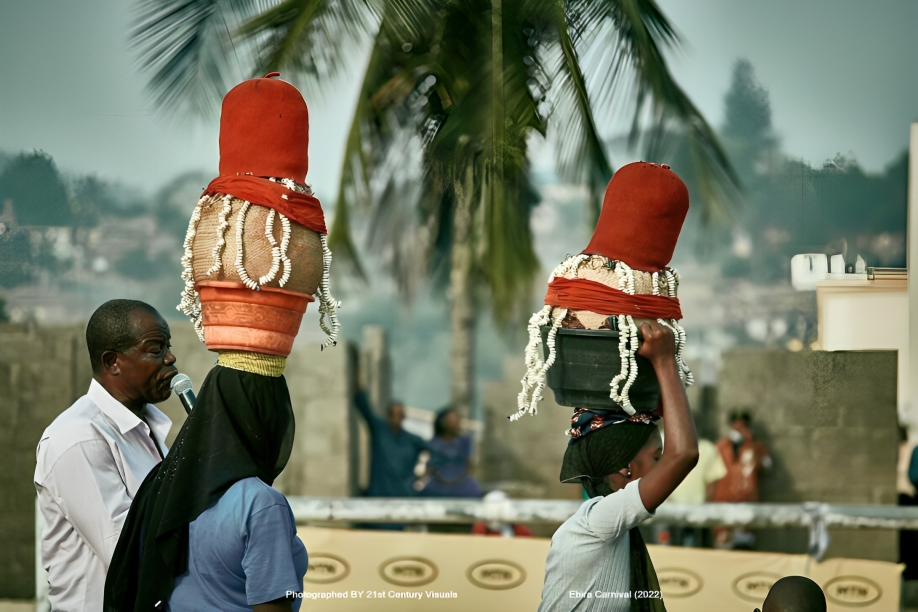
Today, however, the Eku-Oba has experienced a vibrant resurgence, becoming a constant and highly anticipated element of the annual Ebira Carnival. While Ebiraland is blessed with many Eku-Oba, the Eku-Oba of the Adiyaya clan has notably taken center stage, becoming an ever-present symbol of cultural pride during the carnival celebrations.
Would you like me to generate a set of SEO-optimized meta descriptions for this newly rewritten article?


Discussion 0
Join the Ebiraland community conversation! Sign in to leave a comment or reply.
No comments yet. Be the first to share your perspective!