
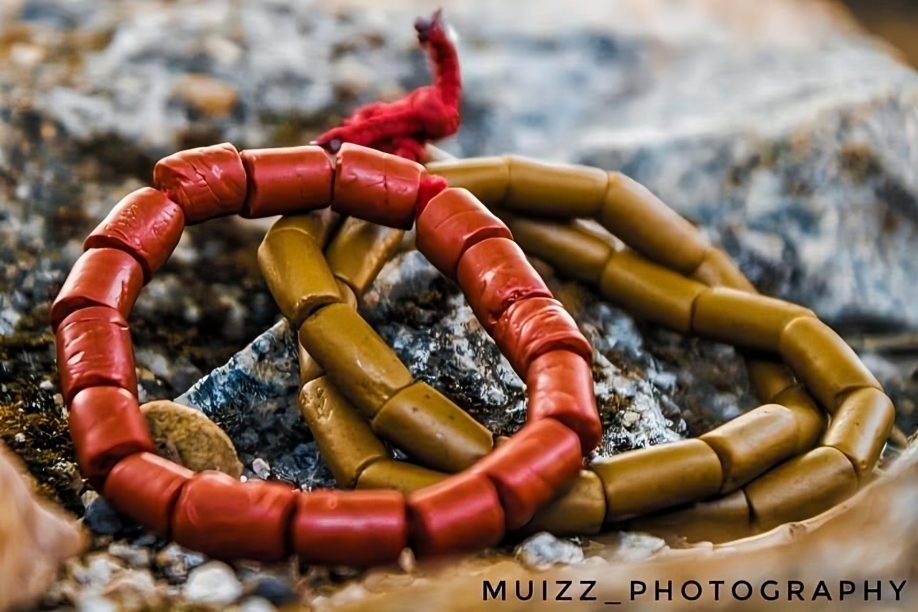
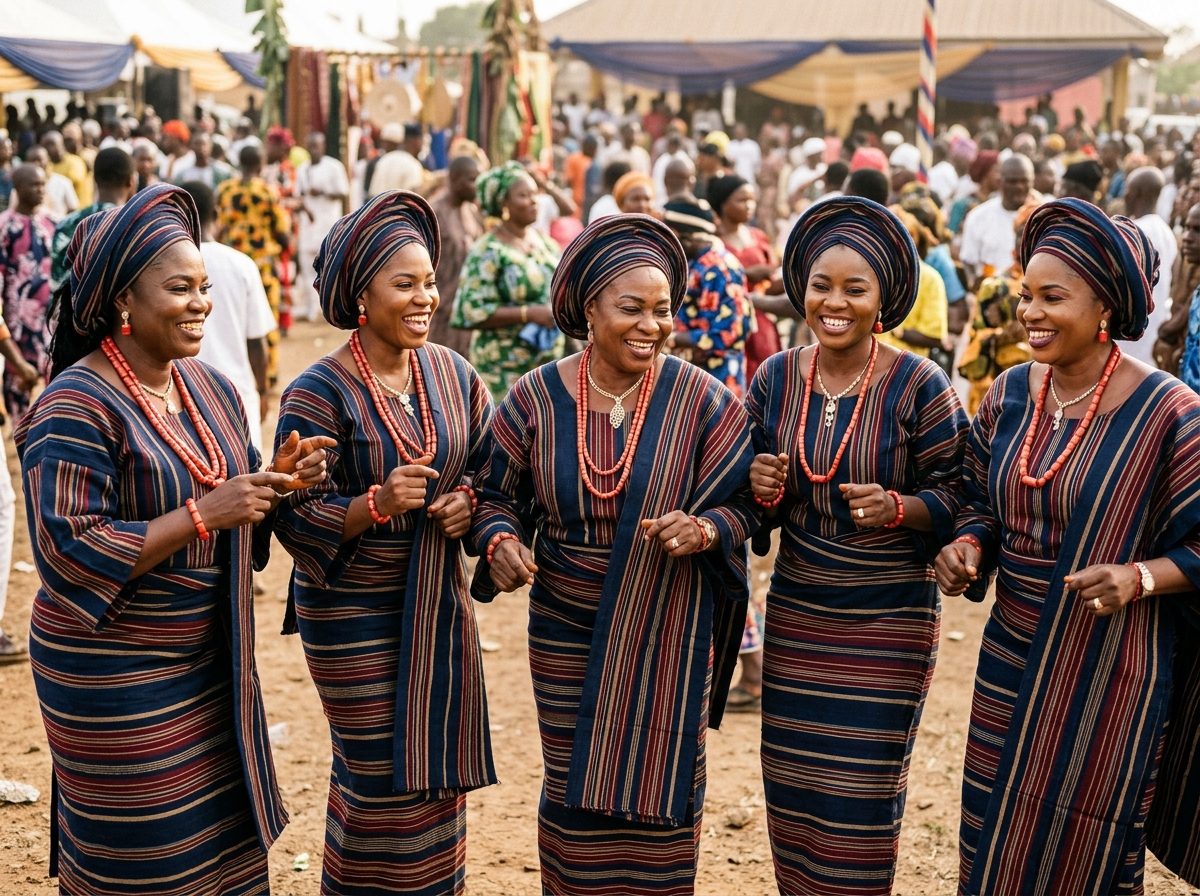
The culture of the Ebira people is woven not just in the vibrant threads of Itinochi fabric, but strung meticulously along the necklines and wrists of its people through ancient hand beads known as Uwei. These handcrafted ornaments—predominantly in earthy reds, amber, and coral—are far more than decorative fashion accessories. They are historical archives of socio-economic status, spiritual beliefs, and communal identity.
For centuries, Uwei has crowned Ebira royalty, adorned brides on their wedding days, and empowered a modern cultural revolution.
According to local lore, if you borrow Omoh beads for a social outing, you must appease the Uwei (beads) with Ohine—sweet offerings such as honey, salt, or palm oil. If this ritual is ignored, it is believed that the Omoh will mysteriously disappear and return to its rightful owner, whether that is the original purchaser or the ancestral heir.
The Hierarchy of Uwei: Omoh, Isuu, and Ovene
Ebira traditional beads are not created equal; they are categorized into a strict hierarchy that historically dictated a family's social standing, influence, and wealth.
Omoh (The Gold Standard): Omoh is the highest tier of Ebira beads. Highly revered and extremely expensive, it is culturally compared to gold. Omoh is traditionally reserved for royalty, elders, and significant ceremonies like coronations and high-profile marriages. It is the ultimate symbol of prestige and accumulated generational wealth.
Isuu (The Silver Tier): Isuu holds the second position in value. It is symbolic of elegance and refinement, often compared to the cultural equivalent of silver. It bridges the gap between royalty and the affluent middle class, heavily featured in traditional festivals and rites of passage.
Ovene (The Everyday Adornment): The most common and affordable variant, Ovene is typically a blue bead. It is used for daily adornment and general fashion by the wider public, ensuring that no one is entirely excluded from the cultural pride of wearing Uwei.
Historical Store of Wealth and The Enyohu Artefact

Historically, high-value beads like Omoh and Isuu served as a localized store of wealth and critical components of bride price. This wealth was most prominently displayed in the Enyohu—a sacred, beaded raffia vessel that symbolized a woman’s treasury. Translated literally as the "bowl of the market," the Enyohu represented the business capital, industry, and resourcefulness an Ebira woman brought into her marriage to build her home.
Today, the economic value of these beads has transitioned from ancient stores of wealth into engines for vocational empowerment. Driven by the modern "Itinochi Revolution" (a movement reviving Ebira textile and bead arts), Uwei bead-making is now a recognized vocational skill under Fashion Design and Garment Making. This shift has transformed traditional bead-making into a lucrative Technical and Vocational Education and Training (TVET) pathway, providing sustainable livelihoods, youth entrepreneurship, and women's empowerment through contemporary fashion.
Spiritual Potency vs. Modern Misconceptions
The profound spiritual weight of Ebira beads has led to significant cultural friction in modern times.
The Spiritual Tether: In traditional Ebira cosmology, high-tier beads like Omoh are not merely inanimate jewelry; they are living heirlooms deeply connected to a family’s lineage and ancestral spirits. Because they are passed down through generations, they carry the "energy" or aura of their previous owners.
The Purpose of Ohine (Appeasement): Offering honey, salt, or palm oil is a gesture of reverence and hospitality. By providing Ohine, the borrower is essentially asking the beads—and the ancestors attached to them—for permission to wear them. It is a way of "sweetening" the spiritual atmosphere so the beads accept the temporary wearer without bringing bad luck.
An Ancient Anti-Theft Mechanism: Beyond spirituality, this superstition served a highly practical, economic purpose. Because Omoh beads were as valuable as gold, lending them out carried immense risk. The widespread belief that the beads could magically teleport back to their rightful owner acted as a powerful psychological deterrent against theft. It ensured that borrowers guarded the beads with their lives and returned them promptly after the festival or wedding.
The Exclusivity of Wealth: The myth reinforces the idea that true wealth and royalty cannot simply be borrowed or faked. If you do not possess the ancestral right to wear Omoh, the universe (or the beads themselves) will actively reject you unless you show profound humility and respect through the Ohine ritual.
In indigenous Ebira cosmology, artifacts adorned with Uwei—especially the Enyohu—were believed to carry spiritual potency. During festivals like Ekuechi, beads and traditional attire were worn to align with ancestral spirits. When worn by maidens during rites of passage, the beads were believed to physically embody and protect virtues of chastity and modesty.
However, with the strong influence of modern religions, a widespread misconception has emerged. Many today mistakenly categorize traditional beads as inherently "fetish," demonic, or tied strictly to black magic. Because these beads were historically used as points of contact for ancestral prayers or by women to invoke spiritual defense, modern youth frequently distance themselves from authentic Uwei, mistaking a profound symbol of cultural dignity for paganism.
To the Ebira people, Omoh, Isuu, and Ovene are not talismans of dark magic. They are shared emblems of identity that transcend generational, religious, and political divides. Preserving the craft of Uwei ensures that the history of Ebira resourcefulness and beauty continues to be worn with pride for generations to come.


Discussion 0
Join the Ebiraland community conversation! Sign in to leave a comment or reply.
No comments yet. Be the first to share your perspective!