
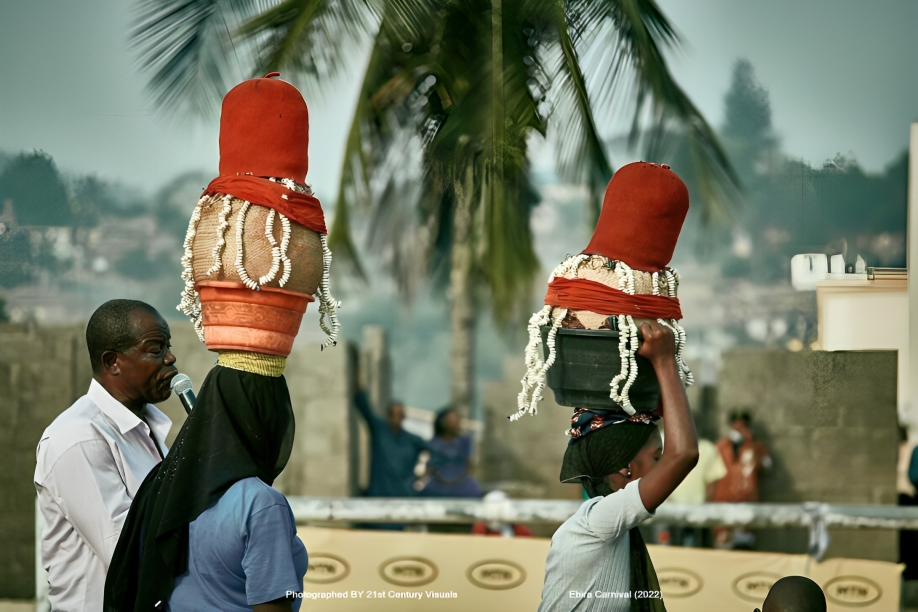
In traditional Ebira society, the clan system (Iresu Ete Ebira) is not just an entry in the history books; it is the living architecture of everyday life, land rights, traditional titles, and social ethics. From the ancient caves of Okehi to the bustling markets of Okene, and from the sacred hills of Ihima to the expansive river plains of Ajaokuta and Adavi, every town, quarter, and farm settlement belongs to a rich lineage story.
This special feature provides a comprehensive look into the history, lineages, totemic symbols, and village geography that define the clans of Ebiraland.
From Kwararafa to Ebira Opete: The Great Odyssey of Itaazi
The story of the Ebira Tao begins along the Benue River basin within the legendary Kwararafa (Apa) confederacy around Wukari in modern-day Taraba State. Between 1680 and 1750 AD, succession disputes and growing demographic pressures led several groups—including the ancestors of the Ebira, Igala, and Idoma—to migrate outward in search of autonomy.
The ancestral Ebira Tao initially settled alongside their Igala cousins at Idah on the eastern bank of the Niger River. Following political and military friction sparked by the Idah-Benin conflicts, the Ebira crossed the great expanse of the River Niger to its western bank under the leadership of their apical patriarch, Itaazi.
Upon crossing, Itaazi established the first sovereign capital of the Ebira Tao nation at Ebira Opete, situated in the plains near Upake in modern-day Ajaokuta Local Government Area. It was at Ebira Opete that the cultural, linguistic, and spiritual identity of the Ebira Tao crystallized.
As the population grew, Itaazi’s children led pioneering migrations inland toward the fortified volcanic inselbergs of central Kogi State, which later provided defensive advantages against the cavalry of the nineteenth-century Nupe and Fulani jihadist invaders during the Ajinomoh wars:
Adaviruku (Ohizi) traveled north to establish the sweeping territory of Adavi.
Ododo led his followers to the high defensive cliffs to found Okehi.
Obaji cleared the northwestern hills and valleys to establish Eika.
Uga settled the fertile amphitheater at the center of the hills, founding Okengwe.
Ochuga (Onotu/Ihiama), the youngest son, led his dependents southwest to establish Ihima.
Ohunene, Itaazi’s daughter, journeyed northeast toward the river corridors to establish Eganyi.
These primary family divisions became the bedrock of the historical districts of Ebiraland.
The Kinship Tree: Understanding Ada-Irehi, Abara, Iresu, and Ekura
Traditional Ebira society was profoundly democratic, organized around an agnatic segmentary lineage structure that placed human dignity (Ozovehe) and family ties at the core of governance. The social structure is organized into five distinct tiers:
Ada-Irehi: The father and head of the nuclear household.
Ada-Ohuoje: The head of the kindred compound, comprising extended patrilineal domestic units.
Ada-Ovovu: The head of the outer compound, encompassing allied families and dependents.
Ada-Abara: The head of the Abara (sub-clan or maximal lineage), who is the genealogically senior living male. The Abara holds corporate title to lineage land, oversees ancestral rites, and arbitrates internal disputes. Crucially, the Abara defines the absolute perimeter of exogamy: while members of different sub-clans within a larger clan could historically intermarry, marriage within the same Abara was forbidden as an incestuous violation of shared blood.
Ada-Iresu (or Otaru): The patriarch and spiritual head of the entire clan (Iresu).
The largest traditional socio-political unit was the Ekura (clan-group or royal district), bringing together all clans of a shared territory under the spiritual supervision of a district priest-chief (Ohinoyi-ete).
So deeply held was this kinship model that an individual in traditional Ebiraland who had no clan affiliation was categorized as Òrìhì (an unfree person without lineage protection), until formal adoption into an Abara granted them civic rights and ancestral coverage.
The Enya Ohinoyi and Clan Totems
Every sovereign clan held its authority through a sacred relic known as the Ényà Ohinoyi. This consecrated heirloom contains the personal effects of the ancestral founder, ancient divination objects, and sacred tokens. Kept away from the gaze of the public and non-initiated women, the Enya was tended by consecrated elder matriarchs known as the Onoku, receiving seasonal libations of indigenous beer (Eche Ayi), kolanuts, and sacrificial offerings.
Lineage identity was also reinforced by totemic animals and natural taboos. Rooted in ancestral historical covenants—such as an animal guiding an ancestor to water, or concealing warriors during wartime—these totems (including the crocodile, leopard, monitor lizard, and woodpecker) were protected from harm or consumption by clan members, serving as living emblems of lineage pride.
Detailed Directory of Clans, Lineages, and Settlements by District
1. Adavi District: The Northern Sentinel
Adavi takes its name from Adaviruku (Ohizi), the eldest son of Itaazi. The district comprises five indigenous primary clans along with an ancient naturalized lineage from Eganyi:
Upopo-uvete (Ezi-Apasi): As the senior lineage of Ohizi, this clan holds historical primacy across Adavi.
Sub-clans (Abara): Ajemora, Ibadi, and Okoro.
Totems & Taboos: The Nile Crocodile (Agugu), the Woodpecker (Oroko), and the sacred fertile topsoil (Apasi).
Settlements & Quarters: Adavi-Eba, Kuroko, Nagazi, Adavi-Odu, Ogaminana, Osisi, and farming satellites along the northern border.
Uka Clan (Ozuka): Renowned for their early establishment of customary arbitration courts and schools, the Ozuka traditionally administered binding oaths using a sacred talisman (Omu), earning the praise name Ozi ajengwu Ireyi.
Sub-clans (Abara): Ajoko, Asema, Ootumi, Ezi-Ehi, and Ezi-Ago.
Totems & Taboos: The little avian messenger (Inyanyi) and the consecrated ritual iron knife.
Settlements & Quarters: Ogaminana, Adavi-Eba, Ozuri, with historical quarters extending into parts of Ihima.
Idu Clan (Ozudu / Aniku): Descended from Aniku, this is one of the most demographically expansive clans in Ebiraland.
Sub-clans (Abara): Aniku Bogiri, Ozi-Eire, Otohinoyi, and Ehemi.
Totems & Taboos: The Leopard (Inavi).
Settlements & Quarters: Adavi-Odu, Kuroko, Inoziomi, Ogaminana, Osara, Evia Obehira, Okengwe, Ageva, and settlements near the Lokoja axis.
Adeyika (Ezi-Adeika):
Sub-clans (Abara): Ago, Oko, Oyiono, Okovi, and Uhwene.
Settlements & Quarters: Nagazi, Osisi, Kuroko, and Ogaminana.
Uhwami (Uhami): An ancient sacerdotal lineage seated in Adavi-Eba and Kuroko, traditionally responsible for opening regional markets and appeasing agricultural land shrines.
Ezi-Onogu: A migrant clan originally from Eganyi that integrated into the Adavi governing council in antiquity, residing primarily in Adavi-Eba and Nagazi.
Paramount Stool: Asema of Adavi.
2. Okengwe and Okene Axis: The Okovi and Agada Dynamics
Okengwe was settled by Itaazi’s son, Uga, whose two sons, Okovi and Agada, gave rise to the dual clan networks that have shaped the socio-political and cultural history of central Ebiraland. Lineages in this region formed the historic regional defense alliance known as Ada-ehi.
The Okovi Group (Seven Clans)
Asuwe: Segmented into branches such as Asuwe-Anuva, dominating Okengwe, Obehira, and Okene-Eba.
Omavi: Centered on the Okakanda sub-lineage, with ancestral roots in Okengwe, Agasa, and central Okene.
Adobe: Incorporating the Ozi-Otu lineage, settled across Okene, Okengwe, and the Nagazi-Ihima corridor.
Ehebe: Closely linked with Ozi-Ada branches, inhabiting quarters across Okengwe and Okene.
Eyire (Ozi-Eyire / Udu): Known as Oziandu (associated with the lion/wildcat emblem), settled in Okengwe, Inoziomi, and Agasa.
Owure (Ozi-Ada): Forming major demographic quarters across urban Okene and Okengwe.
Omoye: Tracing ancestry to Ajina, settled in central Okene and Iyahire.
The Agada Group (Five Clans)
Akuta (Akuta-Obe): Residing in Okengwe, Obeiba, and Obe quarters. Oral tradition notes that the Akuta historically took great pride in refusing to incorporate unfree captives (Orehi) into their kinship line, maintaining an unmixed descent heritage.
Avi (Aavi-Obe): Inhabiting historical quarters in Okengwe and Obehira.
Esusu (Adiyaya): Settled across Okengwe, Agasa, and the farming paths leading toward Eika.
Ogu (Ozi-Ogu): One of the largest and most influential clans in Ebiraland, divided into major branches across Okene, Ihima, and Eganyi. In Okene-Eba, they encompass the Okarutu and Amari lineages of Osiva and Ukako.
Ohimonoko (Agada/Ede): Allied with the wider Ede group and divided into the Uhami and Ohimonoko lines, settled in Okene, Agasa, Okaito, and Kuroko.
Paramount Stools: The Ohindase of Okengwe (the supreme earth priest-chief, assisted by his ritual deputy, the Ohireba) and the Ozumi of Okene, who serves as the traditional custodian of the sacred Apete stool—the corporeal symbol of Ebira tribal sovereignty brought from Kwararafa and Ebira Opete.
3. Ihima District: Custodians of the Ori Divinity
Ihima was founded by Ochuga (Onotu), the youngest son of Itaazi. Tradition recalls that Ochuga cared for their aging mother, Upayi, who died and was buried in Ihima soil. This event is commemorated during the annual Eche-Ori new yam festival, which marks the traditional agricultural cycle.
Ihima is composed of seven clans: six descended directly from Ochuga’s sons, alongside the Akuta who migrated from Okengwe:
Emani: The senior lineage of Ihima. Under customary law, the Emani clan holds the exclusive right to produce the Obobanyi of Ihima, the kingdom's paramount monarchical and priestly ruler. Seated in Emani quarter and Ikuehi.
Oha (Ozi-Oha / Ozudu): Seated in Oha and Ikuehi quarters.
Ohueta (Taru Ohueta): Seated in Ohueta and Obeiba.
The Sacerdotal Triad: Emani, Oha, and Ohueta serve as the exclusive, bonafide priests of Ori Ihima, the sacred hill divinity whose propitiation is believed to bring rainfall, peace, and agricultural fertility.
Ure (Ozure): Seated in Ure and Oboroke, holding the ancestral stool of the Ogasube of Ure.
Ohongwa (Ohionwa): Dominates Ohongwa quarters, historically producing the Taru of Ohongwa.
Odumi: Seated in Odumi, Oboroke, and Eha, under the traditional authority of the Ohiamata of Odumi.
Akuta-Ihima: An ancestral branch of the Akuta of Okengwe that settled in Ikuehi and Obeiba, fully integrated into the district assembly.
4. Eika District: The House of Obaji
Covering the northwestern valleys, Eika was founded by Obaji, who fathered ten children whose lineages form the clans of the district:
Iyewe (Ozi-Iyewe):
Sub-clans (Abara): Itodo, Etavi, and Ehebe.
Totemic Taboo: The Monitor Lizard (Uva). Lineage history recounts that an ancestral father was fleeing enemies during wartime and took refuge inside a deep burrow; a large monitor lizard positioned itself across the entrance, misleading pursuers into assuming the cave was empty. In gratitude, harming, killing, or consuming the monitor lizard remains strictly forbidden to all Iyewe descendants.
Settlement: Eika-Ohizenyi.
Ohiaga: Seated in Eika-Ohizenyi and Okuhu, holding historical custody of the paramount district stool, the Adeika of Eika.
Egiri (Ezi-Egiri): Spread across Eika-Ohizenyi and Obangede; historically celebrated as the frontline warriors and arrow-poison (Iremu) specialists who defended the western borders.
Ehemi, Avassa, Anchi, Epoto, Ubobo, Ogu-Eika, and Eyire-Eika: Distributed across Eika-Ohizenyi, Eika-Seidu, Okuhu, and Okaito.
5. Okehi District: The Fortress of Ododo
Founded by Itaazi’s son Ododo, Okehi’s hill settlements provided natural fortifications during the regional wars of the eighteenth and nineteenth centuries. Ododo’s sons, Okovi Oviri and Enwgukonyai, established the lineage branches that now inhabit Obangede, Okehi-Eba, and Uro:
Ohiomahi: The senior priestly clan holding the paramount stool, the Ohiomahi of Okehi.
Ahoko, Ozi-Ula, Ozi-Okengwe, Ozi-Obaji, and Ozi-Asema: The kindred clans populating Obangede, Uro, and the farming hamlets interfacing with neighboring Eika and Ihima. Outlying agricultural lineages such as Ubobo, Uhuodo, and Agari occupy the border farming territories.
6. Eganyi District and the Confluence Plains
Eganyi was founded by Itaazi’s daughter, Ohunene. Because of its proximity to the original settlement at Ebira Opete and the Niger River, Eganyi retains a unique demographic structure that combines Ohunene's descendants with autochthonous families and early riverine lineages:
Ede Clan (Ozi-Ede): A prominent clan subdivided into four major branches: Uhami, Ohimonoko, Ozi-Ureh, and Ozi-Ahi. They maintain settlements across Eganyi town, Adogo, Okaito, Kuroko, Agasa, and Okene.
Esugu and Eheda: Ancient landholding clans in Eganyi and Adogo.
Onoko (Ezi-Onogu): Present in both Eganyi and Adavi.
Ogu-Eganyi and Idu-Eganyi: Lineages tracing deep ties back to the shrines of Ebira Opete and Upake.
Anavapa and Ogodo: Lineages tracing ancestry through maternal connections to Ohunene.
Paramount Stool: Adogu of Eganyi.
Key Centers: Eganyi, Adogo, Upake, Ebira Opete, Badoko, and Geregu.
7. The Aningere Artisan Enclaves
A specialized occupational clan, the Aningere are traditional ironsmiths and metallurgists (Omu-uhi). Originating from the ancient ironworking Uneme community of Epe in present-day northern Edo State, they migrated into Ebiraland in the late eighteenth and early nineteenth centuries.
Their metallurgical expertise—forging farming tools, poisoned arrowheads, thrusting swords (Uhuoza), and shields—made them invaluable to Ebira communities, who granted them protected settlements in Okengwe, Adavi-Eba, Kuroko, and Okene. Over generations, they became fully naturalized, revering the sacred anvil (Otahi) and the forge fire as emblems of their occupational identity.
Comprehensive Reference Directory of Clans, Stools, and Villages
District / Clan Group | Clan Name (Iresu) | Known Sub-Clans (Abara) | Traditional Stool / Priestly Office | Known Totemic Emblems / Sacred Taboos | Primary Towns, Villages, and Quarters Dominated |
Adavi | Upopo-uvete (Apasi) | Ajemora, Ibadi, Okoro | Asema of Adavi (shared district stool) | Crocodile (Agugu), Woodpecker (Oroko), Soil (Apasi) | Adavi-Eba, Kuroko, Nagazi, Adavi-Odu, Ogaminana, Osisi |
Adavi | Uka (Ozuka) | Ajoko, Asema, Ootumi, Ezi-Ehi, Ezi-Ago | Otaru Ezuka / Asema Ezuka | Little Bird (Inyanyi), Ritual Iron Knife (Omu) | Ogaminana, Adavi-Eba, Ozuri, sections of Ihima |
Adavi | Idu (Ozudu / Aniku) | Aniku Bogiri, Ozi-Eire, Otohinoyi, Ehemi | Otaru Idu | Leopard (Inavi) | Adavi-Odu, Kuroko, Inoziomi, Ogaminana, Osara, Lokoja Barracks |
Adavi | Adeyika (Adeika) | Ago, Oko, Oyiono, Okovi, Uhwene | Otaru Adeyika | Python / Serpent emblems (Eya) | Nagazi, Osisi, Kuroko, Ogaminana |
Adavi | Uhwami | Uhami lineages | Clan Elder of Uhwami | Traditional agrarian earth symbols | Adavi-Eba, Kuroko |
Adavi | Ezi-Onogu | Kindred lines from Eganyi | Clan Elder | Shared Eganyi ancestral totems | Adavi-Eba, Nagazi |
Okengwe / Okene | Asuwe (Okovi) | Asuwe-Anuva | Ohindase of Okengwe (historically accessible) | Leopard (Inavi) | Okengwe, Obehira, Okene-Eba |
Okengwe / Okene | Omavi (Okovi) | Okakanda | Otaru Omavi | Ancestral masquerade emblems | Okengwe, Agasa, Okene |
Okengwe / Okene | Adobe (Okovi) | Ozi-Otu | Otaru Adobe | Bushfowl / Avian totems | Okene, Okengwe, Nagazi-Ihima axis |
Okengwe / Okene | Ehebe (Okovi) | Ehebe-Ada | Clan Elder | Earth and granary emblems | Okengwe, Okene |
Okengwe / Okene | Eyire (Okovi / Udu) | Eyire kindreds | Clan Elder | Lion / Wildcat (Udu) | Okengwe, Inoziomi, Agasa |
Okengwe / Okene | Owure (Ozi-Ada) | Ewure lineages | Otaru Ada | Royal horn / Stool relics | Okene urban quarters, Okengwe |
Okengwe / Okene | Omoye (Okovi) | Ajina | Clan Elder | Floral and animal prohibitions | Central Okene, Iyahire |
Okengwe / Okene | Akuta (Agada) | Akuta-Obe | Otaru Akuta | Taboo on captive integration (Orehi) | Okengwe, Obeiba, Obe quarters |
Okengwe / Okene | Avi (Agada) | Aavi-Obe | Otaru Avi | Forest animal symbols | Okengwe, Obehira |
Okengwe / Okene | Esusu (Agada) | Adiyaya | Otaru Esusu | Antelope / Forest buck | Okengwe, Agasa, Eika road |
Okengwe / Okene | Ogu (Agada) | Okarutu, Amari | Ozumi of Okene (custodian of Apete stool) | Python (Eya), Buffalo (Edoh) | Okene-Eba, Osiva, Okengwe, Eganyi borders |
Okengwe / Okene | Ohimonoko (Agada / Ede) | Uhami, Ohimonoko | Otaru Ede / Ohimonoko | Sacred hill shrines | Okene, Agasa, Okaito, Kuroko |
Ihima | Emani | Emani lineages | Obobanyi of Ihima (exclusive historic right) | Buffalo tail (Edoh), Hill rock relics | Emani quarter, Ikuehi, Obeiba |
Ihima | Oha | Oha lineages | Taru of Oha / Ozudu | Sacred spring emblems (Ori cult) | Oha, Ikuehi |
Ihima | Ohueta | Ohueta / Ogu lineages | Taru of Ohueta | Sacred python / Ori shrine rocks | Ohueta, Obeiba |
Ihima | Ure | Ure lineages | Ogasube of Ure (Ede) | Palm produce totems | Ure, Oboroke |
Ihima | Ohongwa | Ohionwa lineages | Obobanyi of Ohongwa (Taru) | Buffalo tail (Edoh) | Ohongwa quarters |
Ihima | Odumi | Odumi lineages | Ohiamata of Odumi | Forest game taboos | Odumi, Oboroke, Eha |
Ihima | Akuta-Ihima | Lineages from Okengwe | Clan Head of Akuta-Ihima | Freeborn purity taboos | Ikuehi, Obeiba |
Eika | Iyewe | Itodo, Etavi, Ehebe | Clan Priest / Adeika elector | Monitor Lizard (Uva - absolute taboo) | Eika-Ohizenyi |
Eika | Ohiaga | Ohiaga kindreds | Adeika of Eika (paramount stool) | Leopard (Inavi) | Eika-Ohizenyi, Okuhu |
Eika | Egiri | Egiri lineages | Otaru Egiri | Warrior sword symbols (Uhuoza) | Eika-Ohizenyi, Obangede |
Eika | Ehemi | Ehemi lineages | Clan Elder | Agricultural emblems | Eika-Ohizenyi |
Eika | Avassa, Anchi, Epoto, Ubobo, Ogu-Eika, Eyire-Eika | Respective Eika sub-lineages | Respective Clan Lineage Elders | Avian and forest totems | Eika-Ohizenyi, Eika-Seidu, Okuhu, Okaito |
Okehi | Ohiomahi | Ohiomahi lineages | Ohiomahi of Okehi | Sacred mountain shrines | Obangede, Okehi-Eba |
Okehi | Ahoko, Ozi-Ula, Ozi-Okengwe, Ozi-Obaji, Ozi-Asema | Okehi kindreds | Respective Lineage Priests | Mountain caves / Earth shrines | Obangede, Uro, Ikuehi boundary |
Eganyi / Ajaokuta | Ede (Ozi-Ede) | Uhami, Ohimonoko, Ozi-Ureh, Ozi-Ahi | Adeika of Ezi-Ede | Leopard (Inavi), River symbols | Eganyi, Adogo, Okaito, Agasa, Okene |
Eganyi / Ajaokuta | Esugu, Eheda, Onoko, Idu, Anavapa, Ogodo | Respective Eganyi lineages | Adogu of Eganyi (paramount district stool) | Niger river spirits, Crocodile, Iron | Eganyi, Adogo, Upake, Ebira Opete, Badoko, Geregu |
Pan-Ebiraland | Aningere | Guild lineages (blacksmith caste) | Head Blacksmith (Omu-uhi) | Anvil (Otahi), Hammer, Forge fire | Concentrated in Okengwe, Adavi, Kuroko, and Okene |
Governance, Sacred Priesthood, and Masquerade Traditions
Before the arrival of European colonialists, Ebira society functioned as a confederation of autonomous clans, balancing local freedom with mutual defense. There was no central king ruling by decree; instead, society was steered by three pillars of customary leadership:
The Council of Elders (Ada-Iresu / Otaru): Gerontocratic councils arbitrated civil disputes, arranged community farm work, and preserved customary laws.
The Priest-Chiefs of the Earth (Ohinoyi-ete): Custodians of the sacred shrines who maintained cosmic harmony, ensured rainfall, and set the dates for planting and harvesting. Among them were the Ohindase of Okengwe, the Adeika of Eika, the Asema of Adavi, the Obobanyi of Ihima, the Adogu of Eganyi, and the Ohiomahi of Okehi.
The Masquerade Institutions (Eku): Serving as judicial enforcement and social critique. Night singing masquerades (Eku'rahu), prominent during the annual Ekuechi festival, functioned as investigative commentators, calling out corruption, theft, and abuse of power through song, ensuring moral accountability. In contrast, day masquerades (Eku-Achi), featured during Eche-Ane, celebrated lineage survival and paid tribute to women as the foundation of family life.
Colonial Transformation and the Modern Rotational Ohi Stools
This traditional, decentralized structure changed in 1902 with the imposition of British colonial rule. Needing a single administrative head through whom they could collect taxes and enforce colonial decrees under Indirect Rule, the British recognized Attah Omadivi of the Okovi clan in Okengwe as paramount chief.
His successor, Ibrahim Atta (who reigned from 1917 to 1954), consolidated executive power across the Ebira Division, establishing the centralized throne that evolved into the modern paramount stool, the Ohinoyi of Ebiraland. This concentration of authority disrupted the ancient balance among the clans, causing decades of political tension between the Okovi and Agada groups and across peripheral districts.
To resolve these tensions and restore balance, the Kogi State Government reformed the traditional chieftaincy system in the early 2000s. Graded traditional stools designated as Ohi were created for each of the five historical districts:
The Ohi of Adavi
[cite: 23, 26]
The Ohi of Okengwe/Okene
[cite: 23, 26]
The Ohi of Ihima
[cite: 23, 26]
The Ohi of Eika
[cite: 23, 26]
The Ohi of Eganyi
[cite: 23, 26]
Under customary regulations, each Ohi stool rotates systematically among the recognized indigenous clans of that district. This structural change harmonizes Ebira society's traditional egalitarianism with modern governance, ensuring that no clan is permanently sidelined from leadership.
Conclusion: Honoring Our Heritage (Ebira Vonya)
The clan system of Ebiraland (Iresu Ete Ebira) is far more than a genealogical list; it is a roadmap of how our ancestors survived, negotiated peace, worked the land, and preserved their humanity across centuries of migration and change.
Whether at home in central Kogi State or across the diaspora, every Ebira man and woman carries the honor of their Abara and Iresu. As our communities urbanize and modernize, preserving this ancestral knowledge ensures that the values of integrity, hard work, and communal solidarity—the essence of what makes us Anebira—continue to inspire future generations.


Discussion 0
Join the Ebiraland community conversation! Sign in to leave a comment or reply.
No comments yet. Be the first to share your perspective!